
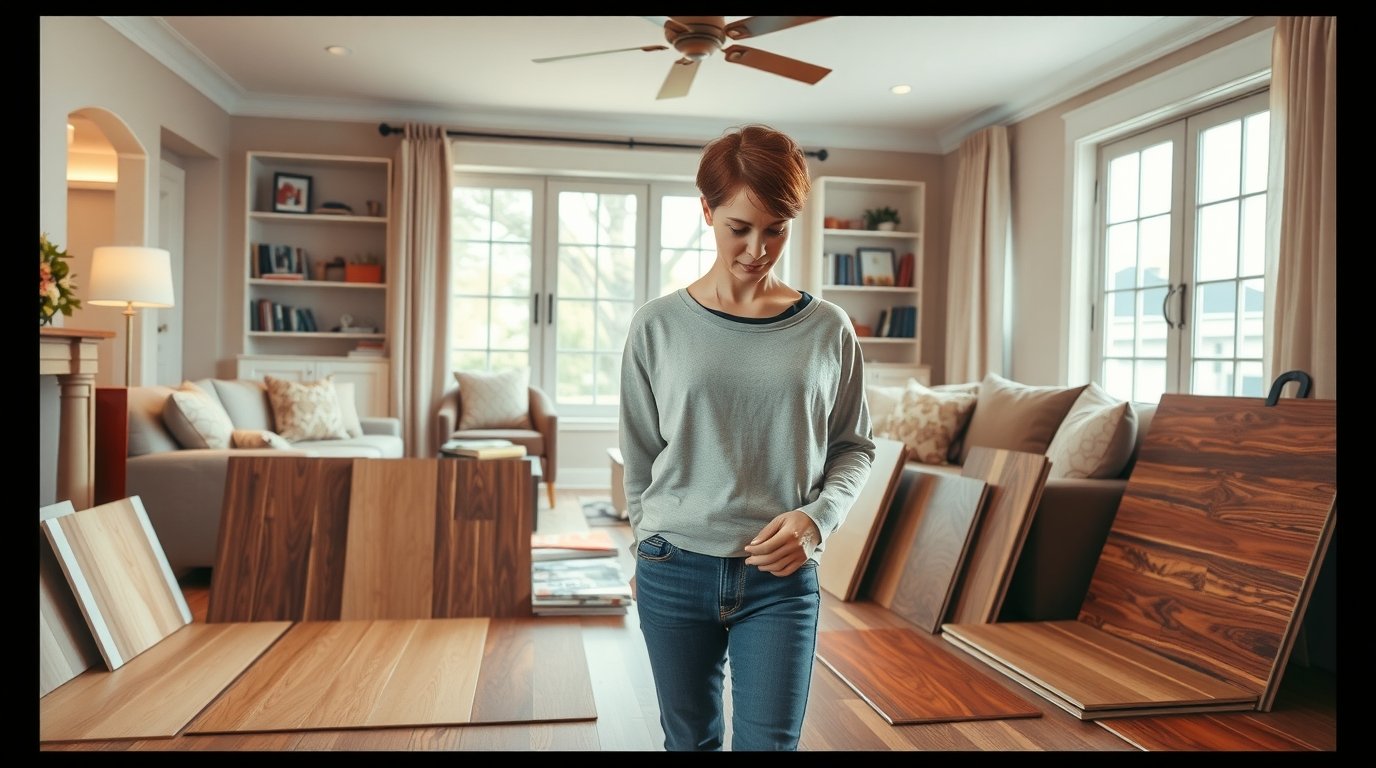
When it comes to choosing the right flooring for your home, Wood & Alternatives Comparisons it’s not always easy to decide between wood and other alternatives. Many people love the natural beauty of real wood, but there are now so many modern materials that look and feel similar—often at a lower cost and with less maintenance. Today, options like laminate, vinyl, and tiles that mimic wood are becoming very popular among homeowners.
This article will help you understand the differences between real wood and its alternatives. We’ll compare their appearance, price, durability, and upkeep so you can make the right choice for your space. Whether you’re planning to build a new home or update an old floor, these comparisons will give you clear ideas about what works best for your needs and budget.
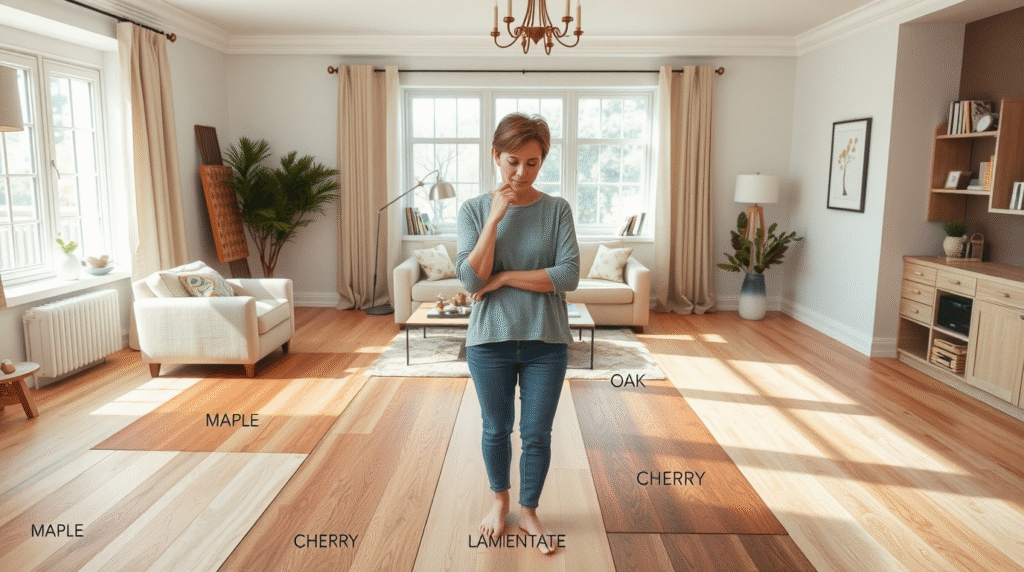
Engineered Wood Flooring vs Solid Wood
Solid wood floors are made from single pieces of natural wood, while engineered wood has layers of real wood on top of plywood or fiberboard. Solid wood gives a classic and rich look but can shrink or expand with changes in weather. Engineered wood, however, is more stable and works well in areas with moisture.
Engineered wood is often cheaper and easier to install than solid wood. It can also be refinished once or twice, making it a durable choice for modern homes that want a real-wood feel without all the extra care.
Hardwood vs Laminate Flooring
Hardwood flooring is long-lasting and can be sanded many times, giving it a lifespan of decades. Laminate flooring, on the other hand, uses a photo layer to copy the look of wood but is made mostly of fiberboard. It’s cheaper and more resistant to scratches and stains.
If you want a luxury look and are okay with some maintenance, hardwood is the winner. But if you’re looking for an affordable, low-care option, laminate flooring gives great results with less worry.
Porcelain Tile That Looks Like Wood
Porcelain tiles that look like wood are a perfect mix of style and strength. They give the same warm and natural look as real wood but are made of strong ceramic materials. These tiles don’t warp, fade, or scratch easily, making them ideal for kitchens, bathrooms, and even outdoor areas.
They also handle water very well, so you don’t have to worry about spills or humidity. If you want a wood-like design that lasts for years, porcelain wood-look tiles are a smart choice.
Wood-Look Ceramic Tile
Wood-look ceramic tiles are another good alternative for people who want the wood style without the wood care. They are made from clay and baked at high temperatures, which makes them hard and durable.
These tiles are available in many colors and grains, copying the feel of real wood perfectly. They are easy to clean and can be used in any room, including areas where real wood might get damaged by moisture.
Luxury Vinyl Plank (LVP) Flooring
Luxury Vinyl Plank (LVP) flooring looks just like real wood but is made from waterproof vinyl. It’s soft underfoot and very durable, making it great for busy homes or places with pets. LVP is also quick to install and requires little upkeep.
If you love the look of wood but want something more budget-friendly and moisture-proof, LVP is one of the best flooring choices available today.
Bamboo Flooring
Bamboo flooring is a natural and eco-friendly alternative to hardwood. It’s made from fast-growing bamboo plants and offers a similar appearance to traditional wood floors.
This type of flooring is very strong and resistant to wear and tear. It’s a great option for people who want a sustainable and beautiful flooring material that also helps the environment.
Vinyl Sheet Flooring That Looks Like Wood
Vinyl sheet flooring is an affordable and flexible choice for people who want a wood-like floor without spending too much. It comes in large rolls and is easy to install in big spaces without seams.
This type of flooring is waterproof and easy to clean, making it a great pick for kitchens, laundry rooms, or bathrooms. You can get it in many wood patterns and shades to fit your home’s style.
Cork Flooring as a Wood Alternative
Cork flooring gives a warm and cozy look that’s similar to wood. It’s made from the bark of cork oak trees, so it’s a renewable resource. Cork floors are soft underfoot, sound-absorbing, and naturally resistant to mold and insects.
While it’s not as tough as tile or laminate, cork flooring is perfect for bedrooms or living spaces where comfort matters most. It’s also an eco-friendly choice for green homes.
Conclusion
When choosing between wood and its alternatives, think about your budget, the room’s purpose, and how much maintenance you want to handle. Real wood adds charm and long life, but modern alternatives like vinyl, bamboo, and porcelain tiles give similar looks with better water resistance and lower costs.
Each option has its strengths—solid wood for luxury, laminate for savings, tiles for durability, and bamboo for sustainability. Whatever you choose, understanding these wood & alternatives comparisons will help you find the perfect match for your home.
FAQs
Q1: Which is better, solid wood or engineered wood?
Engineered wood is more stable and handles moisture better, while solid wood lasts longer if maintained properly.
Q2: Can wood-look tiles be used outdoors?
Yes, porcelain wood-look tiles are strong and weather-resistant, making them great for outdoor spaces.
Q3: What’s the most affordable wood alternative?
Laminate and vinyl flooring are usually the cheapest options that still look like wood.
Q4: Is bamboo flooring durable?
Yes, bamboo flooring is very strong and long-lasting, especially when properly sealed and cared for.
Q5: Which flooring is best for bathrooms or kitchens?
Porcelain, ceramic, or vinyl flooring is best because they handle water and moisture well.