
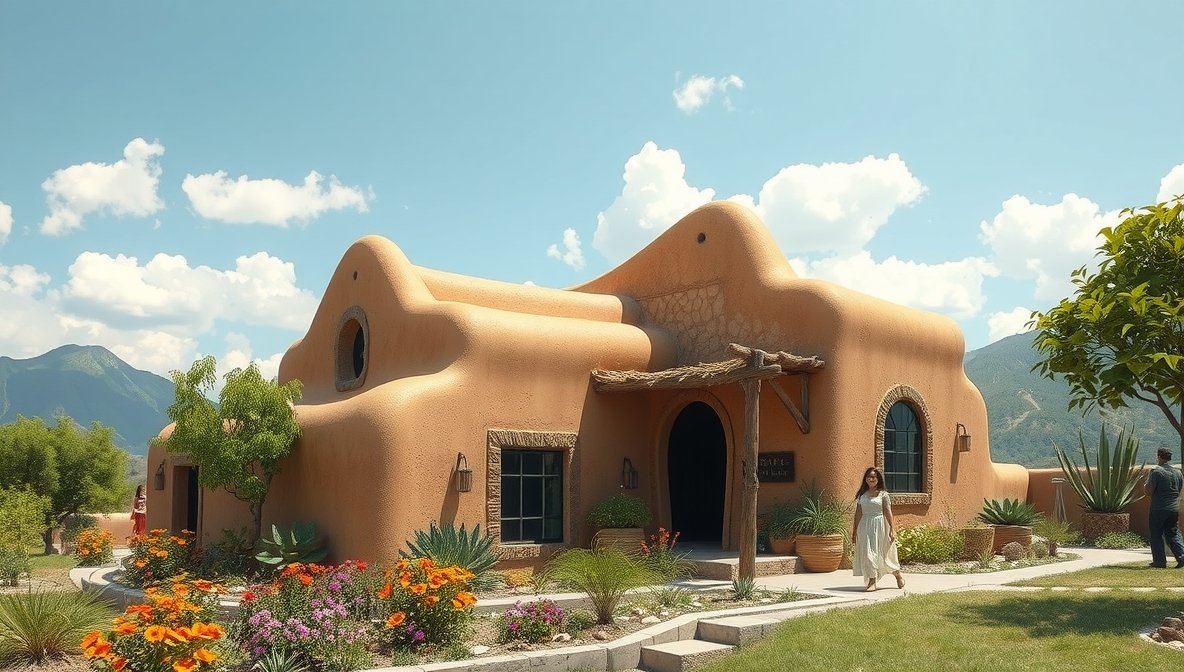
South American Adobe House Design Culture reflects a beautiful connection between people, earth, and heritage. Built from natural materials like clay, straw, and sand, these homes stand as symbols of sustainability and tradition. They tell stories of native wisdom, climate adaptation, and deep respect for the land.
Adobe architecture is more than just construction; it’s an art form that blends human creativity with nature’s strength. From the deserts of Peru to the highlands of Bolivia, adobe houses showcase how culture and climate can shape beautiful, lasting homes.
Understanding South American Adobe House Design Culture
Adobe house design in South America has roots that stretch back thousands of years. Indigenous communities developed these homes using locally available materials and simple methods. Because the materials breathe, these houses stay cool in the heat and warm during cold nights.
Over time, adobe design became part of cultural identity. Each region added its own touch — from thick walls and rounded corners to detailed carvings and painted exteriors. These homes are not just shelters; they’re reflections of life, tradition, and environment.
Historical Origins of Adobe Architecture in South America
Adobe building techniques began in early civilizations like the Incas, Mochicas, and Nazcas. Using earth and water, they molded sun-dried bricks that could last for centuries. Many ancient adobe structures still stand, proving their strength and durability.
Communities used adobe because it was accessible and adaptable. People didn’t need modern tools or imported materials. Instead, they used what nature offered, creating homes that perfectly matched their surroundings.
Cultural Significance of Adobe Houses
In South America, adobe homes carry deep cultural meaning. They represent harmony between people and the earth. Each structure tells a story of local craftsmanship and ancestral wisdom. Families often pass down the skill of adobe building through generations.
Celebrations, rituals, and community gatherings often take place around these homes. They stand as cultural landmarks, preserving traditional knowledge and artistic expression. In many villages, maintaining adobe houses keeps heritage alive.
Materials Used in Adobe House Construction
Adobe house design depends on three main elements: clay, straw, and sand. When mixed with water, these materials form a strong, flexible substance. Builders shape it into bricks and let them dry naturally under the sun.
This process makes adobe both eco-friendly and cost-effective. Because the materials come directly from the earth, the environmental impact is minimal. Additionally, adobe bricks regulate indoor temperature, making the homes energy-efficient.
Architectural Features in South American Adobe Homes
Traditional adobe houses in South America have thick walls, flat roofs, and small windows. These features help control heat and light. Many designs include inner courtyards, allowing families to gather and enjoy open-air spaces safely within their homes.
Color also plays a big role. Many houses are painted in earthy tones — reds, browns, and yellows — that blend with the landscape. Some regions decorate walls with native symbols, adding cultural depth and beauty to the design.
Regional Variations Across South America
Adobe house design varies widely from country to country. In Peru, homes often have high, slanted roofs to resist rain. In Bolivia, walls are thicker to keep warmth during cold mountain nights. Meanwhile, in Argentina and Chile, adobe homes blend Spanish colonial influence with native techniques.
These differences show how diverse climates and traditions shape design. Yet, all share the same foundation — a bond between land, culture, and comfort.
Sustainability and Environmental Impact
Adobe architecture is one of the most sustainable building methods. It uses natural resources that can be replaced easily and doesn’t require industrial production. Because adobe walls breathe, they reduce the need for artificial heating or cooling systems.
Furthermore, these homes produce almost no waste during construction. They can even return to the earth when no longer in use. This cycle of creation, use, and renewal aligns perfectly with eco-friendly living principles.
Modern Adaptations of Adobe Design
Today, architects are rediscovering adobe as a modern building material. Many combine traditional techniques with new technologies to create energy-efficient, stylish homes. Reinforced adobe walls, for instance, make structures earthquake-resistant while maintaining cultural beauty.
Modern adobe homes often include solar panels, skylights, and ventilation systems. These updates make them ideal for sustainable urban living while preserving traditional South American charm.
Challenges Facing Adobe House Preservation
Despite its many advantages, adobe construction faces challenges. Climate change, heavy rains, and neglect threaten older structures. In some areas, people replace adobe with concrete or metal, losing centuries of cultural knowledge in the process.
However, local communities and heritage organizations are working to preserve these buildings. Through restoration projects and education, they keep adobe architecture alive for future generations.
Role of Adobe Design in Tourism and Education
Tourists from around the world visit South American adobe villages to experience this living heritage. Walking through these towns feels like stepping into history. Many adobe homes are now museums or guesthouses that teach visitors about traditional construction.
Schools and universities also study adobe techniques as examples of sustainable design. By promoting this ancient knowledge, South America strengthens both its culture and environmental leadership.
Why South American Adobe Houses Matter Today
Adobe houses remind us that simple, natural methods can create strong and beautiful homes. They show how cultural values can guide sustainable development. In an age of modern technology, adobe design proves that tradition and innovation can coexist.
Embracing adobe architecture means embracing balance — between comfort and conservation, between heritage and progress. As more people seek eco-friendly lifestyles, South American adobe house design culture continues to inspire the world.
Conclusion:
South American adobe house design culture stands as a living connection between the past and the future. These homes demonstrate how natural materials, traditional skills, and creative design can build sustainable communities.
To preserve this heritage, individuals and builders must continue learning, restoring, and innovating. By respecting the wisdom of adobe design, we can create a world that honors culture, protects the environment, and builds lasting beauty.
FAQs
1. What materials are used in South American adobe house design?
Adobe houses are made using clay, sand, straw, and water. These natural materials are mixed, shaped into bricks, and dried in the sun.
2. Why are adobe houses important in South American culture?
They represent a deep bond between people and the environment, showing respect for nature and traditional craftsmanship.
3. Are adobe houses environmentally friendly?
Yes, they’re sustainable and energy-efficient. Their natural materials reduce waste and maintain comfortable indoor temperatures.
4. How long can an adobe house last?
With proper care, an adobe house can last for hundreds of years. Many ancient structures still stand strong today.
5. Can adobe houses be built in modern cities?
Absolutely. Architects are now blending traditional adobe techniques with modern technology to create stylish, eco-friendly urban homes.