
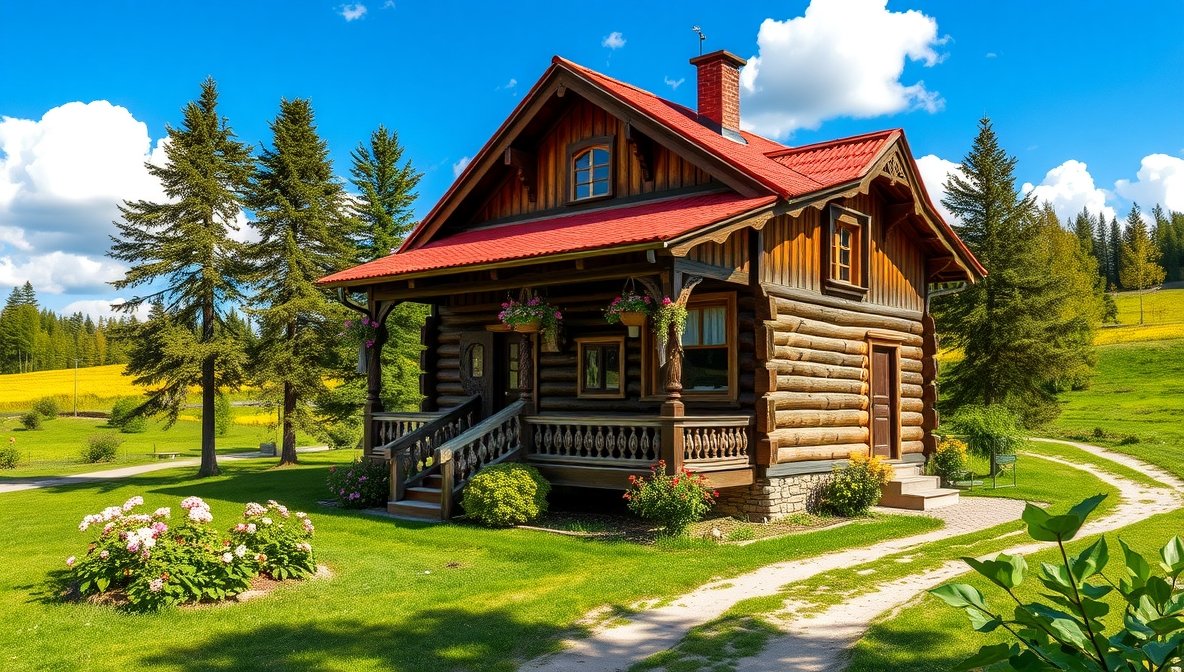
Russian Dacha House Architecture Tradition stands as a symbol of warmth, creativity, and cultural identity. Across Russia, these cozy countryside homes blend simplicity with charm. Built for relaxation and connection with nature, dachas reflect a timeless lifestyle that unites family, art, and tradition. Their design has evolved through centuries, merging practical features with aesthetic beauty. Today, they continue to inspire architects and travelers alike, offering a glimpse into authentic Russian living.
The Historical Roots of Russian Dacha Architecture
Dachas began as summer retreats for the Russian nobility during the 17th century. Initially granted by the Tsar to loyal subjects, these homes symbolized privilege and comfort. Over time, they became popular among the middle class, representing a place of peace away from urban life. Many dachas were constructed using local wood, reflecting the nation’s love for natural materials. Their rustic look was not just decorative—it supported ventilation, warmth, and easy construction.
Evolution of Dacha Design Through the Ages
As decades passed, the architecture of dachas evolved remarkably. Early dachas were simple wooden cottages, while modern versions feature stone, glass, and innovative materials. The Soviet era introduced standardized dacha styles for working families, often small but functional. In contrast, today’s designs embrace luxury, integrating sustainability and technology. This transition highlights how the Russian dacha house architecture tradition blends old-world charm with modern innovation.
Key Architectural Features of a Traditional Dacha
Traditional dachas often feature steep roofs, wide verandas, and wooden carvings. Their architecture adapts perfectly to Russia’s cold climate, with thick walls for insulation and high ceilings for ventilation. Large windows allow sunlight to fill the rooms, connecting indoor spaces with surrounding gardens. Additionally, intricate wooden details—called rezba—adorn facades and window frames, showcasing the homeowner’s craftsmanship.
Connection Between Nature and Dacha Architecture
A deep bond with nature defines Russian dacha design. Most dachas sit amid forests, lakes, or meadows, encouraging outdoor living. Gardens bloom with vegetables, berries, and flowers, reflecting a self-sufficient lifestyle. Paths, pergolas, and garden furniture extend the home’s comfort outdoors. By using local wood and stone, builders ensure harmony between architecture and landscape. This natural integration remains central to the Russian dacha house architecture tradition.
Symbolism and Cultural Meaning of the Dacha
Beyond physical structure, dachas carry symbolic meaning in Russian culture. They represent freedom, family unity, and creative expression. Many families spend summers growing food, painting, or simply resting under the sun. The dacha embodies a slower, more mindful way of life. In literature and film, it often appears as a nostalgic escape from city stress, highlighting its emotional significance.
Modern Interpretations of Dacha Architecture
Contemporary architects reimagine the dacha using sustainable materials and smart technologies. While maintaining rustic aesthetics, modern dachas feature solar panels, eco-friendly insulation, and minimalist interiors. Open-plan designs replace small rooms, creating brighter, airy spaces. Yet, even with innovation, the essence of traditional architecture remains intact. These homes balance modern comfort with cultural authenticity, preserving the Russian dacha house architecture tradition for future generations.
Popular Styles in Dacha Architecture
Different regions of Russia showcase distinct dacha styles. In the north, log cabins dominate, designed to endure snow and frost. In central Russia, colorful cottages with decorative trims are common. Southern dachas often use stone and clay for cooler interiors. Scandinavian and European influences have also shaped modern versions, blending traditional Russian aesthetics with international trends. This regional diversity adds richness to the dacha heritage.
Materials and Craftsmanship in Dacha Construction
Wood remains the soul of traditional dacha construction. Builders often use pine, spruce, or birch due to their strength and availability. Handmade details like carved railings and shutters highlight artisanal skill. Roofs, typically made of shingles or metal sheets, are steep to prevent snow buildup. Every element reflects balance—between durability, beauty, and functionality. Through craftsmanship, each dacha becomes a unique reflection of its owner’s personality.
The Social and Emotional Role of the Dacha
For many Russians, the dacha is more than a building—it’s a lifestyle. Families gather there during weekends to relax, garden, or celebrate holidays. Children learn to appreciate nature, while elders share stories from the past. The sense of belonging grows stronger within those wooden walls. Over generations, these homes become emotional anchors, linking people to their roots and memories.
Sustainability and Eco-Friendly Practices in Dacha Design
Modern builders focus on eco-friendly practices inspired by traditional methods. Using renewable materials, natural lighting, and water-saving systems, new dachas minimize environmental impact. Gardens serve as both food sources and green spaces. Designers integrate recycling zones and composting areas, promoting sustainability. This modern approach strengthens the enduring value of Russian dacha house architecture tradition in the age of green living.
Future Trends in Russian Dacha Architecture
The future of dacha design lies in smart homes, renewable energy, and cultural preservation. Architects experiment with modular structures and adaptive technologies. Virtual design tools help homeowners customize their dream dacha before construction. While trends may shift, the heart of the dacha—its simplicity, nature connection, and warmth—will remain timeless. Russia’s architectural future will continue to draw strength from this beloved tradition.
Conclusion:
Russian dacha house architecture tradition blends heritage, sustainability, and artistry into one inspiring concept. These homes symbolize balance—between comfort and simplicity, nature and human creativity. Whether rustic or modern, each dacha tells a story of love, family, and harmony. To truly experience Russian culture, one must feel the calm spirit of a dacha. Start exploring this tradition and let its timeless design inspire your next architectural journey.
FAQs
1. What defines a Russian dacha house?
A Russian dacha house is a countryside home built for relaxation, family gatherings, and closeness to nature. Its design usually includes wood structures, steep roofs, and decorative carvings.
2. Why are dachas important in Russian culture?
Dachas symbolize family unity, peace, and creativity. They serve as a retreat from busy city life, allowing people to connect with nature and traditions.
3. What materials are used in dacha construction?
Traditional dachas are mainly built with local wood such as pine or birch, while modern ones may include stone, glass, and eco-friendly materials.
4. How has dacha architecture evolved over time?
From noble retreats to modern smart homes, dacha design has adapted to lifestyle changes while preserving traditional aesthetics and craftsmanship.
5. Are modern dachas environmentally friendly?
Yes, many modern dachas use green technologies like solar panels, energy-efficient insulation, and sustainable materials to protect the environment.