

Japanese Tatami Room House Architecture beautifully blends tradition, comfort, and minimalism. Its calm atmosphere and natural elements create a sense of harmony that connects people to their surroundings. This traditional style continues to inspire modern homes around the world because of its elegance and balance.
What Is Japanese Tatami Room House Architecture?
Japanese tatami room house architecture focuses on simplicity, nature, and proportion. Traditionally, tatami rooms—called washitsu—use soft straw mats called tatami. These mats define the size and structure of the room. Their texture adds warmth, while their grid pattern encourages balance and order.
In classic Japanese homes, every detail supports harmony between humans and nature. Sliding doors, known as shoji or fusuma, open to gardens or courtyards, letting in soft light and fresh air. As a result, people experience peace and mindfulness in daily living.
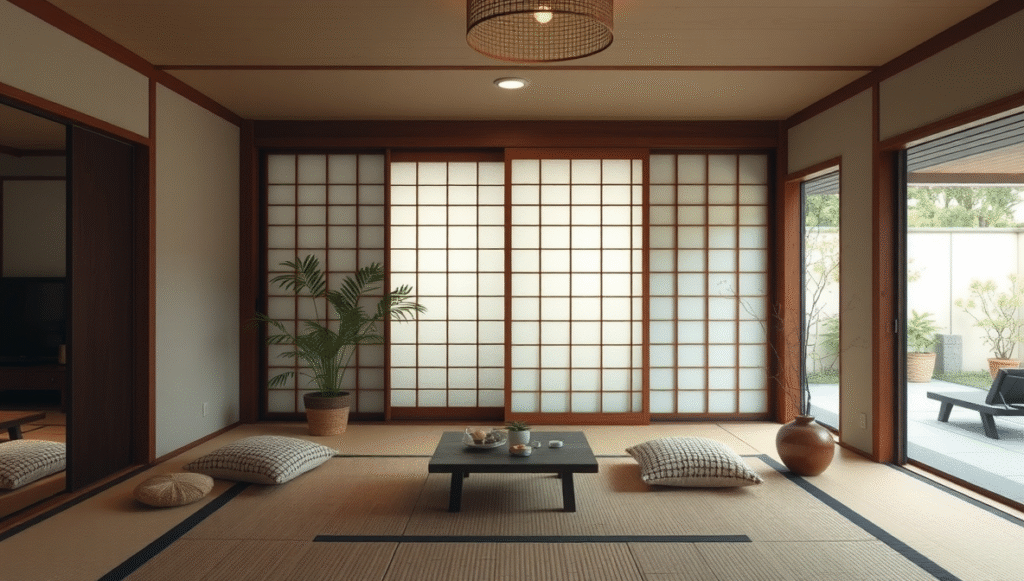
Tatami Mats: The Heart of Japanese Interiors
Tatami mats form the foundation of Japanese house architecture. Made from woven straw and rice straw cores, they provide both comfort and function. Each mat typically measures around 90 cm by 180 cm, serving as a standard unit for room design.
Designers arrange tatami mats in precise patterns, ensuring symmetry and flow. Their natural scent and soft texture calm the senses. Moreover, tatami mats regulate humidity, keeping interiors cool in summer and warm in winter. This natural adaptability enhances comfort year-round.
Key Features of a Traditional Tatami Room
A typical Japanese tatami room includes specific architectural features that reflect simplicity and culture. Sliding paper doors, wooden beams, and alcoves known as tokonoma create aesthetic harmony. The tokonoma often displays scrolls, flowers, or art that reflect seasonal beauty.
In addition, low wooden furniture or cushions replace heavy Western-style chairs. This setup encourages sitting close to the floor, promoting humility and grounding. Soft lighting and neutral colors add calmness, turning the space into a peaceful retreat for rest and reflection.
Natural Materials and Sustainable Design
Sustainability is deeply rooted in Japanese tatami room house architecture. Builders prefer renewable and biodegradable materials such as bamboo, rice straw, wood, and paper. These materials reduce environmental impact while maintaining durability and beauty.
Natural ventilation and daylight are essential. Open layouts and movable partitions allow air to flow easily. Because of this, energy use decreases, and interiors stay comfortable without modern air systems. This eco-conscious approach shows Japan’s long-standing respect for nature.
Modern Adaptations of Tatami Room Architecture
Today, many architects reinterpret traditional Japanese tatami designs to suit modern lifestyles. Homeowners combine ancient aesthetics with smart technology and minimalist layouts. By doing so, they preserve culture while embracing convenience.
Modern tatami rooms may use synthetic mats, LED lighting, and soundproof panels. Yet, they still maintain harmony and simplicity. This blend of old and new makes Japanese architecture timeless and relevant, even in urban living spaces.
Cultural Symbolism and Spiritual Value
Tatami rooms carry deep cultural meaning in Japan. They represent order, mindfulness, and respect. The practice of removing shoes before entering ensures purity, while the room’s quiet environment supports meditation and tea ceremonies.
Furthermore, tatami layouts symbolize social etiquette. For example, certain mat arrangements are reserved for guests or ceremonies. This shows how design connects with human behavior and values. Through such symbolism, architecture becomes a reflection of the Japanese way of life.
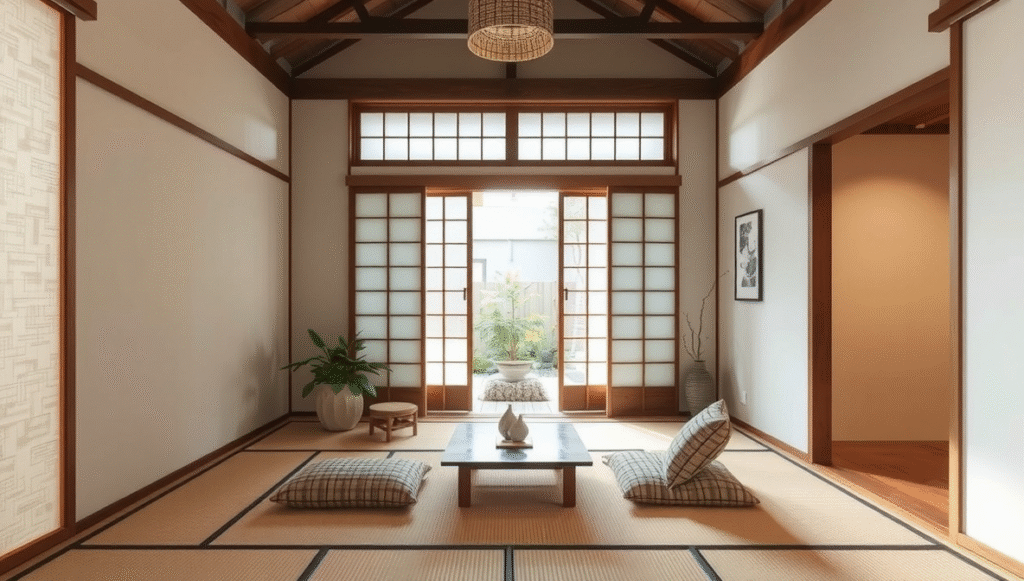
Japanese Aesthetic Principles in Tatami Architecture
Japanese tatami room architecture follows core aesthetic principles like wabi-sabi (beauty in imperfection), ma (space and pause), and shibui (understated elegance). Each principle shapes how designers use space, color, and texture.
Using natural tones and simple lines, interiors achieve balance without clutter. Subtle contrasts—between wood and paper, light and shadow—create visual depth. Consequently, rooms feel spacious and soothing despite their minimal decor.
How to Incorporate Tatami Style into Modern Homes
Adopting Japanese tatami room architecture at home doesn’t require a full redesign. Start with natural materials, neutral palettes, and open layouts. Replace bulky furniture with low tables and cushions. Introduce sliding screens to divide spaces efficiently.
Adding plants, soft lighting, and textured fabrics enhances the natural atmosphere. Moreover, maintaining clean lines and clutter-free surfaces supports mental clarity. Through thoughtful design choices, anyone can bring Japanese serenity into their living space.
Benefits of Tatami Room Architecture in Daily Life
Living in a tatami-inspired home offers both physical and emotional benefits. The natural materials promote better air quality, while minimalism reduces stress. Balanced design encourages mindfulness and focus, improving mental well-being.
Walking barefoot on tatami mats also strengthens foot muscles and stimulates blood flow. The quiet ambiance supports relaxation, making the home a sanctuary from modern chaos. Therefore, Japanese architecture nurtures both body and mind.
Architectural Harmony: Nature and Human Connection
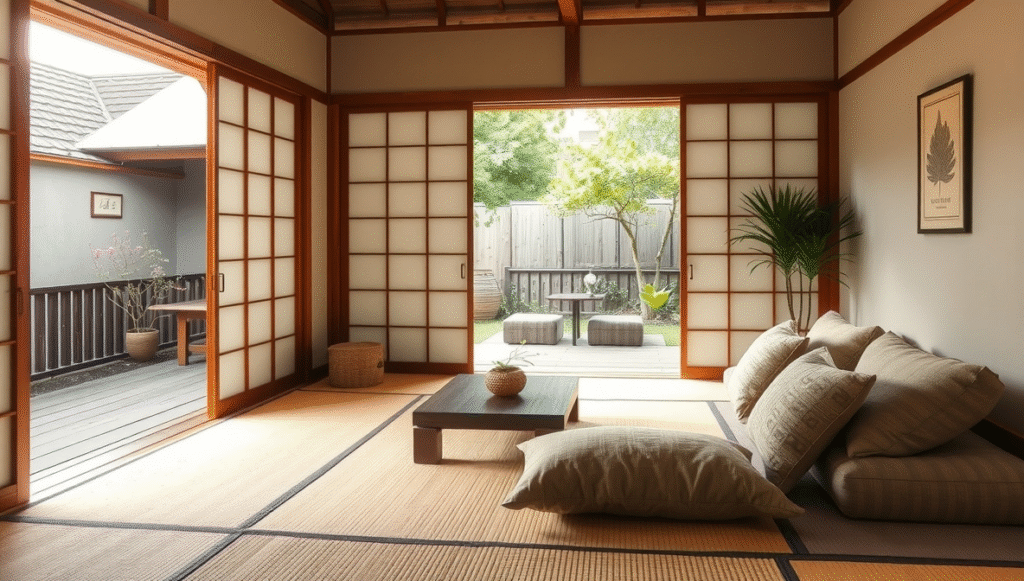
Harmony between humans and nature lies at the heart of Japanese design philosophy. Large windows, garden views, and indoor-outdoor transitions connect people with the natural world. Every detail—from wooden beams to paper panels—reflects this unity.
Even in urban environments, Japanese tatami room house architecture brings a sense of peace. Natural light replaces harsh illumination, while organic materials remind residents of life’s rhythm. This harmony creates a timeless atmosphere that transcends generations.
Conclusion:
Japanese tatami room house architecture is more than a design style—it’s a lifestyle that promotes balance, sustainability, and mindfulness. Its simplicity and beauty continue to inspire homes globally. By blending tradition with modern needs, homeowners can create serene spaces that reflect peace and authenticity.
Ready to transform your space? Begin exploring Japanese-inspired elements today and experience the calm, natural harmony that defines this timeless architectural tradition.
FAQs
1. What makes tatami mats unique in Japanese homes?
Tatami mats are made from natural straw, providing comfort, humidity control, and a distinctive earthy aroma that enhances relaxation.
2. Can modern homes include tatami rooms?
Yes, modern homes can easily adapt tatami rooms using synthetic mats, minimalist furniture, and natural colors.
3. Why are sliding doors used in Japanese architecture?
Sliding doors save space, allow natural light to enter, and maintain flexible room layouts.
4. How does Japanese architecture promote sustainability?
It uses renewable materials, natural ventilation, and daylight to reduce energy use and environmental impact.
5. What is the purpose of a tokonoma in a tatami room?
A tokonoma is a decorative alcove displaying art or flowers, representing culture, season, and balance within the home.