
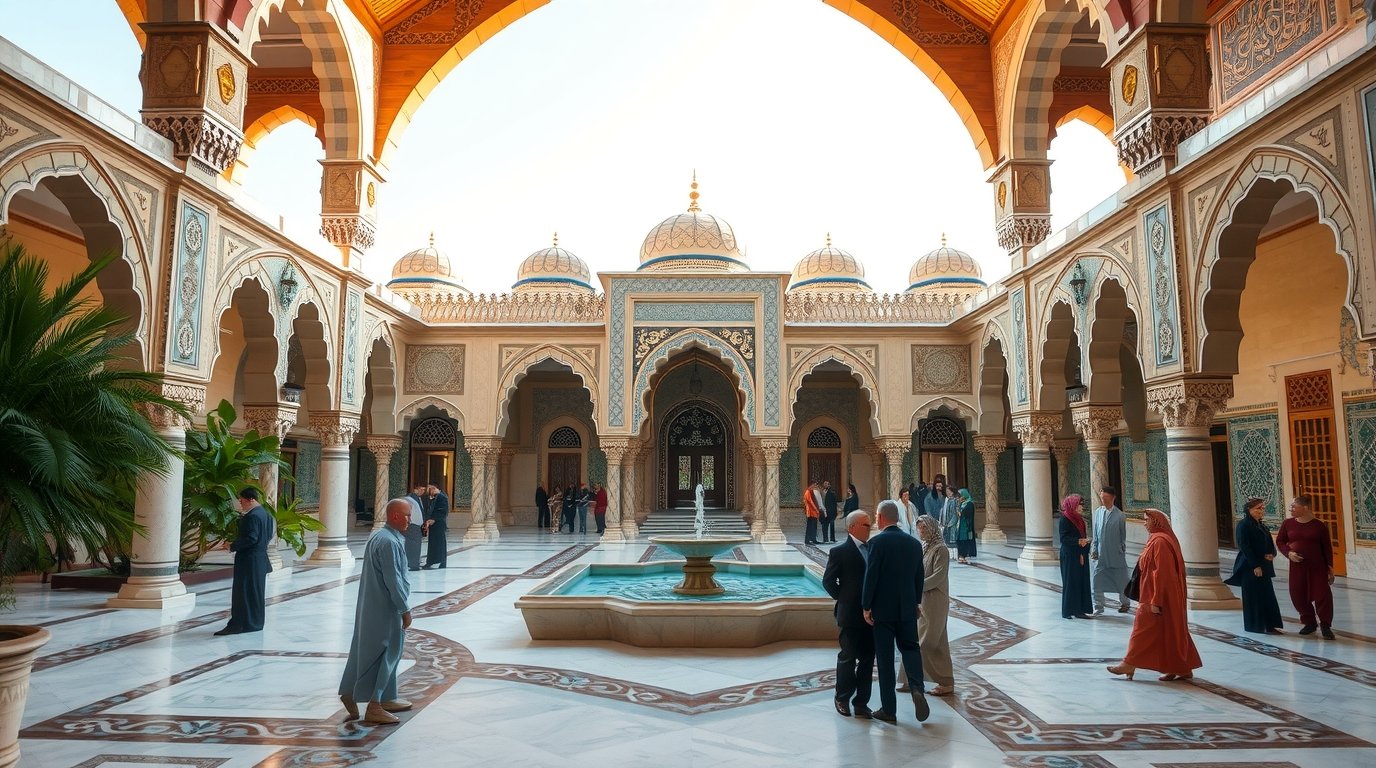
Islamic Courtyard House Architecture in the Middle East stands as a symbol of cultural harmony, environmental wisdom, and artistic mastery. These houses reflect how design and faith blend seamlessly to create functional and spiritual living spaces. With centuries of history, this architectural style continues to inspire modern design with its natural cooling systems, privacy-focused layouts, and deep connection to nature. Understanding this architecture means uncovering the balance between beauty, sustainability, and devotion.
What Is Islamic Courtyard House Architecture?
Islamic courtyard house architecture refers to traditional homes designed around a central open courtyard. This courtyard acts as the heart of the house, providing light, ventilation, and privacy. Families gather here for social, spiritual, and daily activities. Common across the Middle East, these houses reflect Islamic values of modesty, unity, and balance. By integrating function with faith, the architecture ensures comfort and serenity even in hot, arid climates.
Historical Roots of Courtyard Architecture in the Middle East
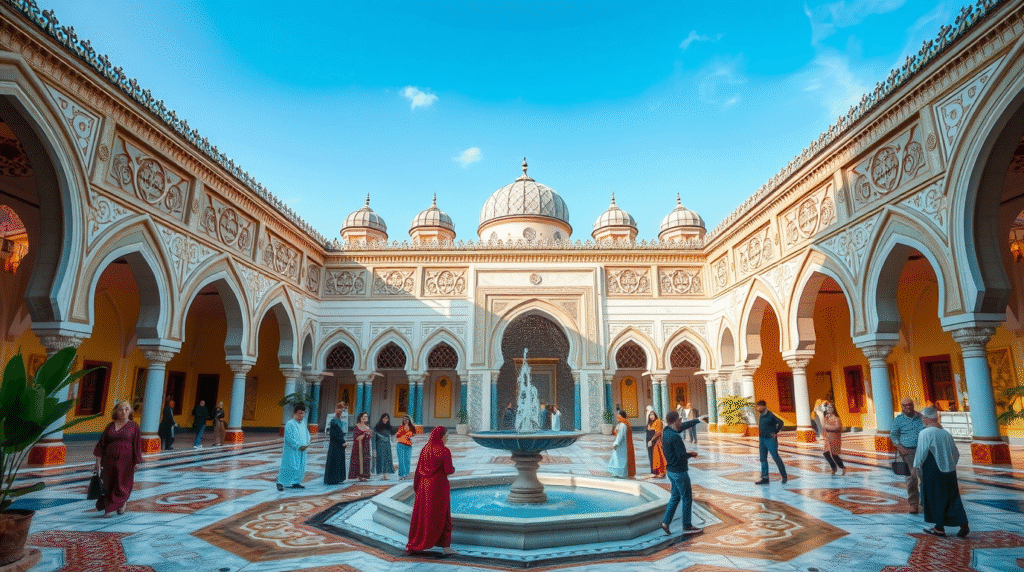
Tracing back thousands of years, courtyard homes appeared in ancient Mesopotamia, Persia, and Egypt. Islamic culture later shaped them with new spiritual and social elements. After Islam spread across the region, architecture began focusing on community, privacy, and sustainability. The inner courtyard became a sacred space, symbolizing heaven on earth. This evolution transformed simple homes into masterpieces of geometry, proportion, and peace.
Climate and Environmental Adaptation
Middle Eastern climates are often dry and hot, demanding intelligent architectural solutions. Courtyard houses master this challenge through passive cooling. The central courtyard creates airflow that naturally reduces indoor temperatures. Thick walls made from mud, stone, or brick provide insulation against heat. Additionally, small openings minimize sunlight exposure while maintaining ventilation. As a result, these homes remain cool without relying on modern energy systems, showcasing eco-friendly design centuries ahead of its time.
Privacy and Family Life in Islamic Courtyard Homes
Privacy holds great importance in Islamic culture, and courtyard design fulfills this value perfectly. The inward-facing structure prevents outsiders from seeing into the home, protecting family life. Separate areas for men and women ensure respect for modesty while supporting social interactions. At the same time, the courtyard encourages family unity by serving as a shared space for relaxation, prayer, and conversation. This balance of privacy and openness makes these homes uniquely harmonious.
Architectural Features and Materials
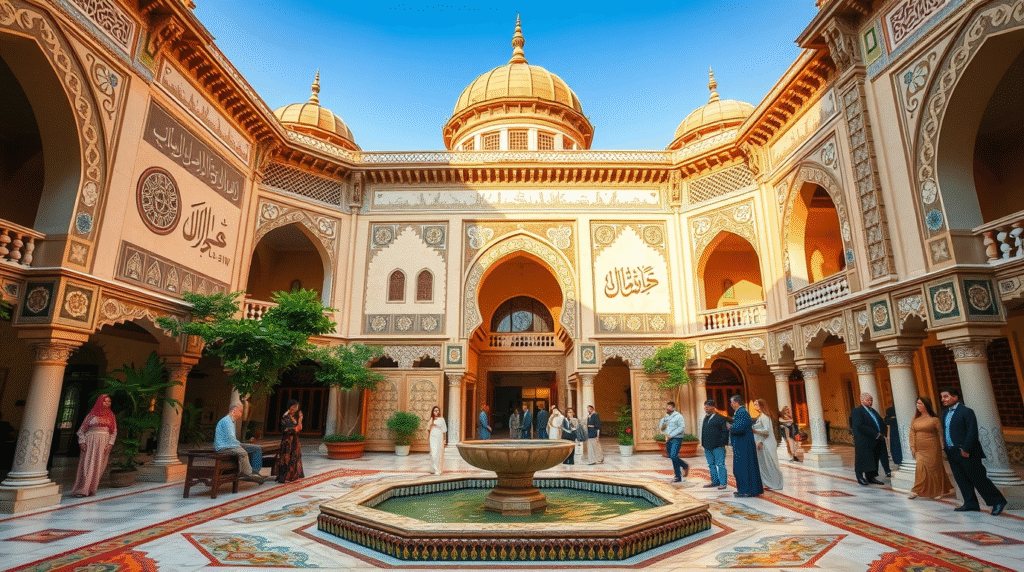
Islamic courtyard house architecture in the Middle East uses local materials like adobe, limestone, and wood. These materials naturally regulate temperature and blend with the desert landscape. High walls, domes, arches, and mashrabiya screens enhance both beauty and function. Each design element has purpose—domes for air circulation, arches for structural strength, and screens for filtered light. Together, they create a living environment that feels both sacred and practical.
Symbolism and Spiritual Meaning
Every element in Islamic architecture carries symbolic depth. The courtyard symbolizes paradise, a peaceful garden within the walls of the home. Water fountains or small pools often sit in the center, representing purity and life. Geometric patterns reflect unity and the infinite nature of creation. Even shadows and light patterns express divine balance. Through design, these homes quietly remind residents of faith, order, and gratitude.
Regional Variations Across the Middle East
While sharing core principles, courtyard homes differ across regions. In Iran, homes often feature decorative tilework and intricate wooden screens. In Saudi Arabia, they use heavy stone walls to combat intense heat. Egyptian courtyard houses emphasize open terraces and shaded arcades. Despite regional differences, each version upholds the same spiritual and environmental goals—creating peace, privacy, and comfort through design.
Integration of Modern Design with Traditional Principles
Modern architects continue to draw inspiration from Islamic courtyard architecture. Contemporary homes incorporate courtyards for natural light, ventilation, and privacy while using modern materials. Designers also apply smart technology to maintain the energy-efficient nature of these houses. As urban areas expand, the revival of courtyard principles ensures sustainability and cultural continuity. Modern interpretations keep the spirit of Middle Eastern design alive while meeting present-day needs.
Sustainable Design and Eco-Friendly Features
Islamic courtyard house architecture offers timeless lessons in sustainability. By maximizing shade, using natural materials, and harnessing wind patterns, these houses achieve energy efficiency without machinery. Rainwater collection systems, gardens, and shaded walkways enhance environmental balance. Architects today study these methods to design eco-friendly buildings worldwide. The sustainable wisdom of ancient Islamic architecture continues to influence green building practices globally.
Interior Design and Aesthetic Harmony
The interior of a traditional Islamic courtyard house combines simplicity with beauty. Rooms open toward the courtyard, allowing natural light to reach every corner. Colorful tiles, carved woodwork, and patterned ceilings express artistic skill while maintaining calmness. Furniture remains minimal, promoting openness and reflection. Every design decision supports both comfort and spirituality, transforming living spaces into sanctuaries of peace.
Social and Cultural Importance
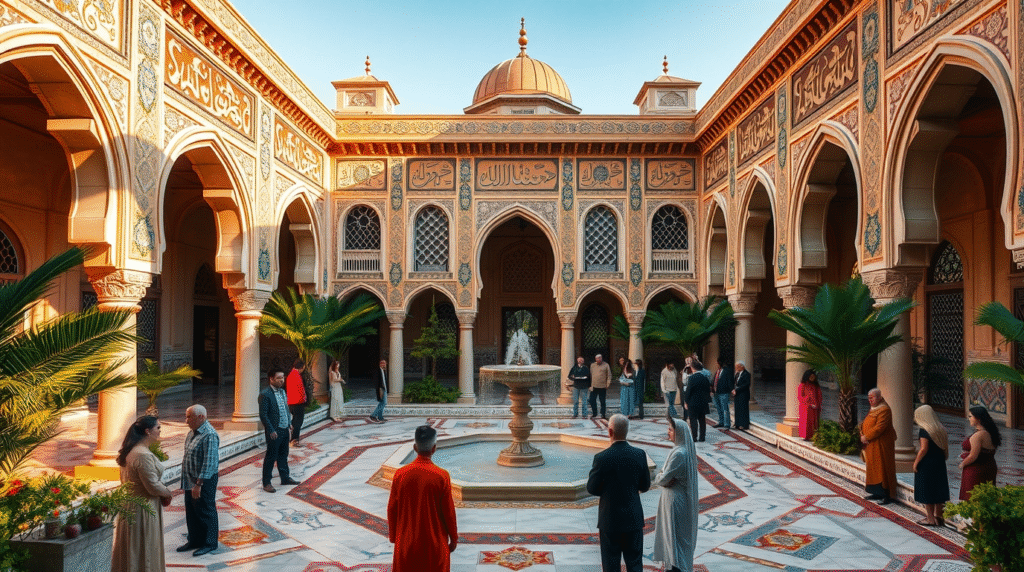
Courtyard houses do more than provide shelter—they nurture social and cultural values. The shared courtyard encourages connection between family members and neighbors. It also serves as a place for celebrations, storytelling, and evening gatherings. These spaces strengthen community bonds, reflecting the collective spirit of Islamic society. Beyond their architecture, courtyard homes symbolize a way of life rooted in respect, unity, and hospitality.
The Future of Islamic Courtyard Architecture in the Middle East
As the Middle East modernizes, preserving traditional architecture becomes essential. Governments, architects, and cultural organizations are working to restore old courtyard houses. Modern designs inspired by traditional layouts ensure sustainability and cultural identity coexist. By blending innovation with tradition, the future of Islamic courtyard house architecture promises to remain relevant, inspiring generations to live harmoniously with nature and faith.
Conclusion
Islamic courtyard house architecture in the Middle East stands as a timeless example of harmony between human life, faith, and nature. These homes reveal how design can embody spiritual values while addressing environmental challenges. Today, their principles continue to inspire sustainable living and cultural preservation. To appreciate their legacy is to understand that architecture can serve both the soul and the environment. Explore this rich heritage and consider how its lessons can shape the future of modern design.
FAQs
Q1: What makes Islamic courtyard houses unique?
They combine privacy, natural cooling, and spiritual symbolism, creating comfortable and meaningful living spaces.
Q2: How do these houses stay cool in hot climates?
Through courtyards, thick walls, and strategic airflow that reduce heat naturally.
Q3: What materials are commonly used in Middle Eastern courtyard homes?
Adobe, limestone, brick, and wood—chosen for durability and temperature control.
Q4: Why is the courtyard so important in Islamic design?
It represents paradise, providing light, peace, and a private family gathering space.
Q5: Can modern architects apply these traditional principles?
Yes, by blending ancient courtyard concepts with modern materials and eco-friendly technologies.