
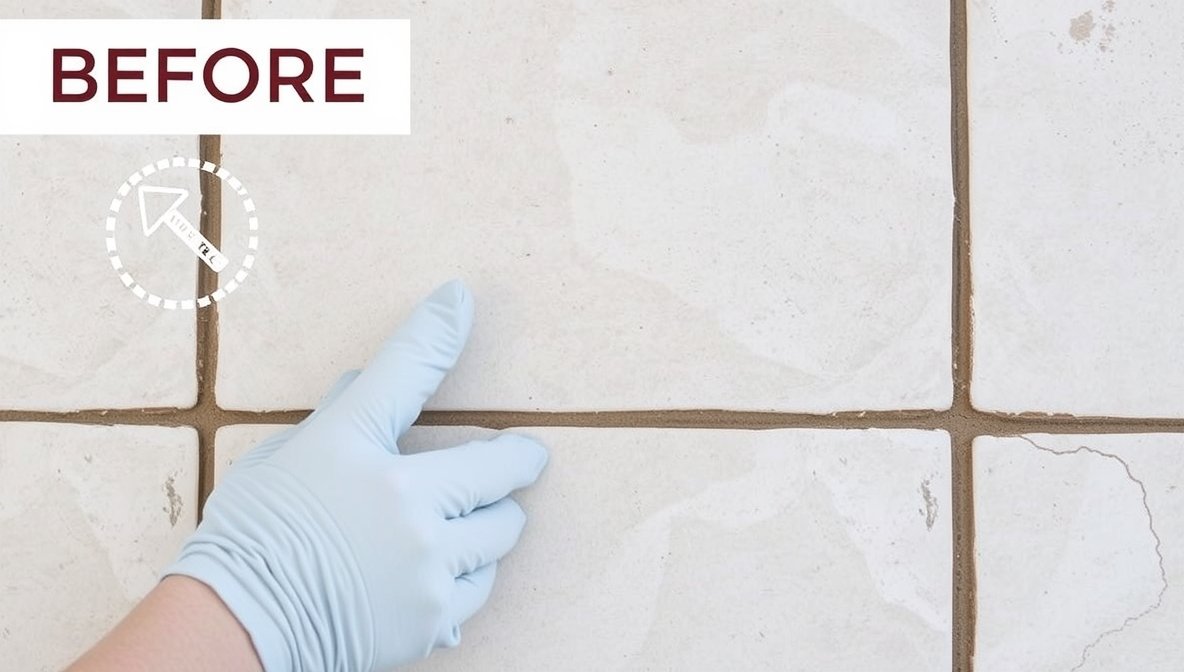
Tiles make any home look fresh, bright, and stylish, How to Clean Grout in Tile but dirty grout lines can quickly spoil that beauty. Over time, grout collects dirt, stains, and even mold, especially in areas like kitchens and bathrooms. Many people think cleaning grout is hard, but with the right methods, it becomes easy and effective. A well-maintained tile surface not only looks better but also lasts longer. That is why learning how to clean grout in tile is so important for every homeowner.
When you understand simple cleaning tips, choosing the right grout color, sealing after installation, and maintaining tiles in different climates, it becomes easier to keep your floors and walls in top shape. This guide will walk you through easy cleaning methods, grout color choices, sealing techniques, repair tips, and even how to handle old tile removal. By the end, you will have a complete tile maintenance guide that saves you both time and money.
Easy and Effective Methods
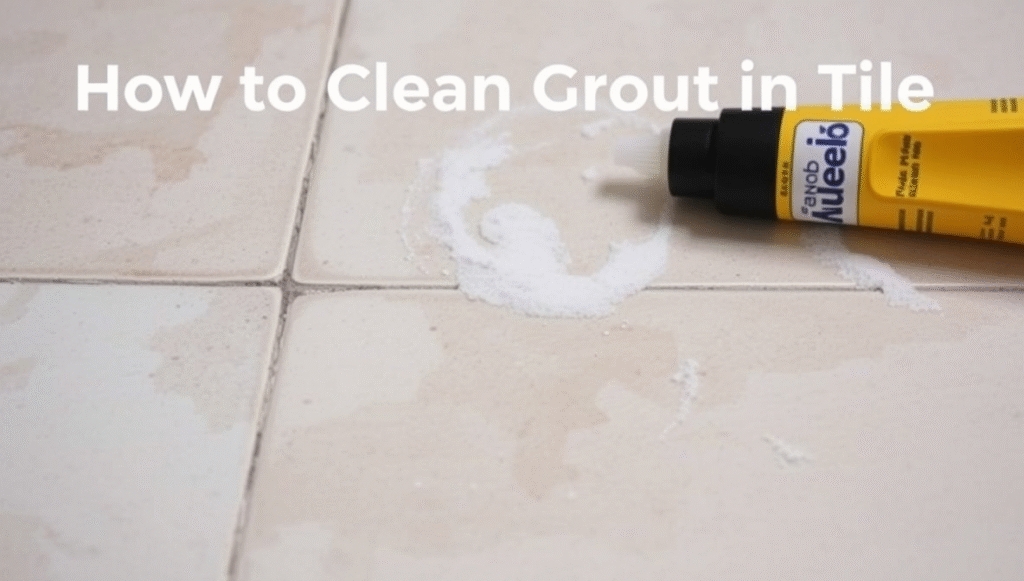
Cleaning grout does not always need expensive products. You can start with home remedies like baking soda and vinegar or use store-bought grout cleaners. A small brush or even an old toothbrush can help scrub away stains. For stubborn dirt, steam cleaning is also an option. Regular care prevents buildup and keeps grout lines bright.
How to Clean Grout in Tile
To clean grout in tile, first sweep or wipe the surface to remove loose dust. Then apply your cleaning mix, such as baking soda paste or a mild cleaner, directly on the grout lines. Let it sit for a few minutes before scrubbing. Rinse well with warm water to avoid residue. Doing this often will stop stains from becoming permanent.
Tile Grout Color Choices
Grout color plays a big role in the look of your tiles. Light grout can make a room feel larger and brighter, but it shows dirt easily. Dark grout hides stains better but may make a space look smaller. Choosing the right shade depends on both style and maintenance preferences.
How to Choose Grout Color for Tile
When picking grout color, think about the overall look of the room. Matching grout with tile creates a smooth, clean design. Using contrast makes the tiles stand out more. Neutral colors like gray or beige are popular because they balance beauty and practicality.
Tile Sealing After Install
After new tiles are installed, sealing the grout is a smart step. Sealing protects against water, dirt, and stains, keeping grout fresh for longer. It also makes cleaning much easier. Re-sealing every year or two helps maintain strong protection and keeps tiles looking new.
Tile Backsplash Maintenance Tips
Backsplashes often face splashes of oil, water, and food. Wiping them daily with a damp cloth prevents stains from setting in. Using a mild soap solution once a week can help keep the area clean. Sealing the grout also adds protection in kitchen spaces.
Tile Care in Humid Climate
Humidity can lead to mold and mildew in grout. Using a dehumidifier or keeping the area well-ventilated reduces this problem. Cleaning grout often in bathrooms and laundry areas is important. Anti-mold cleaners can also help in very damp regions.
Tile Maintenance Guide for Homeowners
Regular tile care saves money in the long run. Sweep or vacuum floors often to remove dust. Clean spills quickly to avoid staining. Check grout for cracks or gaps, and repair them before they get worse. Simple habits can extend the life of your tiles.
Tile Floor Repair DIY
Small tile problems can be fixed without calling a professional. If a tile cracks, remove it carefully and replace it with a spare one. Re-grouting damaged lines is also possible with ready-made grout mix. DIY repair keeps your floor safe and looking good.
How to Remove Old Tile Flooring
When tiles are too damaged, removing them may be the only option. Use a hammer and chisel to carefully break and lift the old tiles. Safety gear like gloves and goggles are important during this process. Once removed, clean the surface before laying new tiles.
How to Remove Tile Adhesive Residue
After old tiles are removed, sticky adhesive may remain on the floor. Warm water and a scraper can help soften and remove it. For tough residue, a commercial adhesive remover may be needed. Make sure the surface is smooth before installing new tiles.
Benefits of Regular Tile Grout Cleaning
Cleaning grout regularly makes your home look fresher and more welcoming. It also helps prevent damage caused by mold or moisture. Clean grout lines extend the life of your tiles and keep your living spaces healthier for your family.
Natural vs. Chemical Cleaners for Grout
Both natural and chemical cleaners work, but the choice depends on your needs. Natural cleaners like vinegar and baking soda are safe and eco-friendly. Chemical products can be stronger for tough stains. Always test a small area before using harsh cleaners.
Common Mistakes in Tile Care
Many homeowners use too much water while cleaning tiles, which can weaken grout. Harsh chemicals may also damage the tile surface. Skipping sealing is another mistake that leads to early stains. Avoiding these mistakes will make maintenance easier.
Long-Term Maintenance Tips for Tile Floors
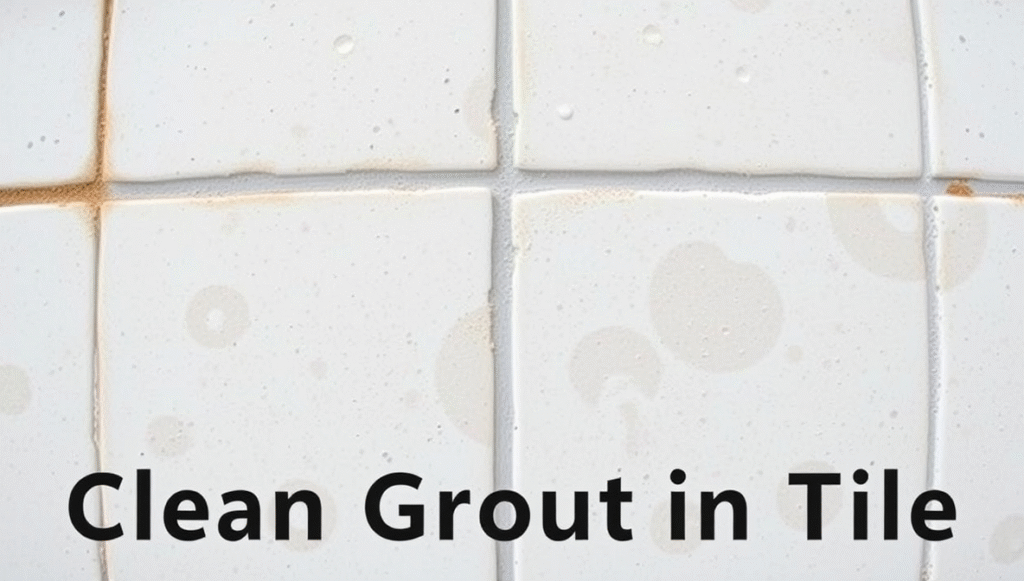
To keep tiles looking new for years, create a cleaning schedule. Re-seal grout every 12 to 24 months. Use mats in entryways to reduce dirt. Avoid dragging heavy furniture across tiles. These simple steps protect your flooring and reduce repair costs.
Conclusion
Tiles are a strong and stylish choice for homes, but they need the right care to stay beautiful. Learning how to clean grout in tile is the first step to keeping your floors and walls fresh. With regular cleaning, sealing, and repair, tiles can last for decades without losing their shine.
From choosing the right grout color to maintaining tiles in humid climates, each step plays an important role in home care. By following these simple but effective methods, homeowners can enjoy clean, strong, and attractive tiles that add comfort and value to their space.
FAQ
Q1. What is the easiest way to clean tile grout?
The easiest way is to use a paste of baking soda and water, scrub with a brush, and rinse well.
Q2. How often should grout be sealed?
It’s best to seal grout every 12 to 24 months to keep it safe from stains and water.
Q3. Can I use bleach to clean grout?
Yes, but use it carefully. Too much bleach can weaken grout and cause discoloration.
Q4. What is the best grout color for kitchens?
Neutral colors like gray or beige work well because they hide stains and match many tile designs.
Q5. Why does grout turn black in bathrooms?
Grout turns black due to mold and mildew caused by moisture. Regular cleaning and ventilation help prevent this.