
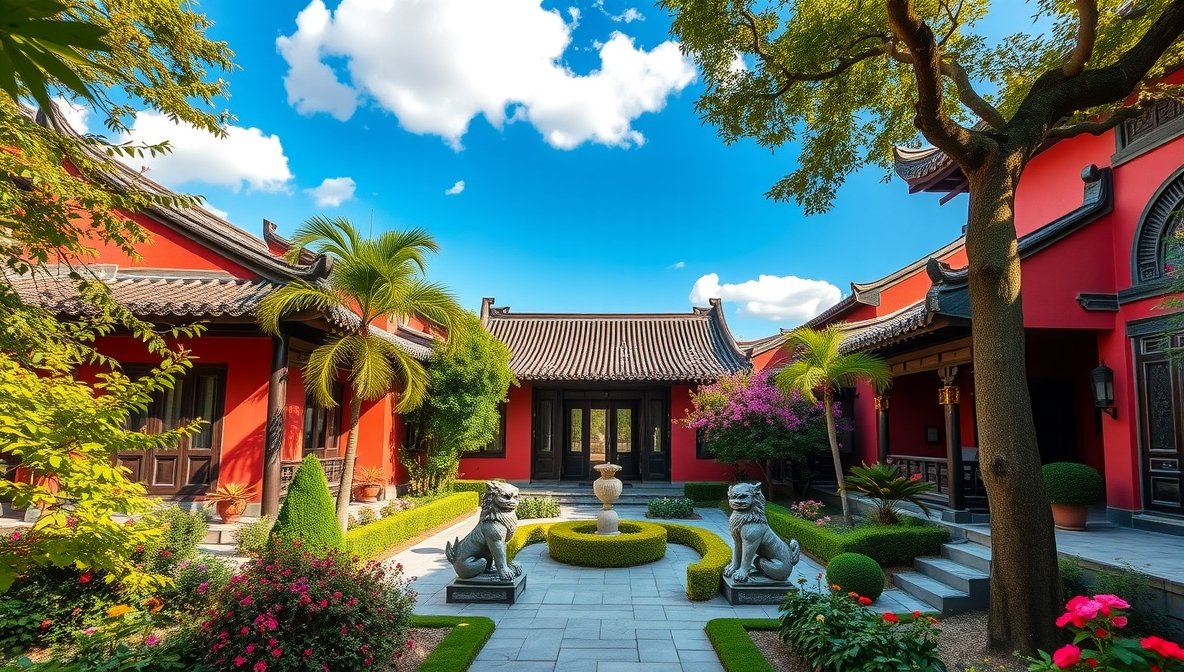
The Chinese Siheyuan Courtyard Home Style stands as one of the most iconic and culturally rich architectural traditions in China. Known for its symmetrical layout, enclosed courtyard, and elegant wooden design, this ancient home style represents balance, family unity, and peace. Today, it continues to inspire modern architecture around the world for its beauty and practicality.
Understanding the Chinese Siheyuan Courtyard Home Style
The siheyuan courtyard home style dates back over 2,000 years and was a common residential layout in northern China, especially in Beijing. “Siheyuan” means “four-sided enclosed courtyard,” referring to houses built around a central open space. Traditionally, each building served a specific family role, symbolizing respect and harmony.
Families lived together under one roof, promoting unity and close relationships. This design also reflected Chinese philosophies like Feng Shui and Confucian values, which emphasize balance and order in daily life.
Architectural Features of Siheyuan Courtyard Homes
Every part of the Chinese siheyuan courtyard home style carries meaning and function. The main house, located on the north side, faces south to receive sunlight. Side houses sit on the east and west, while the gatehouse stands at the south. This design promotes energy flow and privacy.
The courtyard serves as the heart of the home. It allows natural light and fresh air while creating a peaceful outdoor living space. Decorative elements, such as carved beams, red pillars, and curved roofs, highlight traditional Chinese craftsmanship and aesthetic values.
Symbolism Behind the Courtyard Layout
The courtyard layout of siheyuan homes isn’t just for beauty—it reflects deep cultural symbolism. The four surrounding buildings represent unity among family members. Each direction holds meaning: north for respect, east for growth, west for stability, and south for vitality.
The central courtyard symbolizes heaven and earth’s harmony. It was used for family gatherings, celebrations, and meditation. This spiritual design showcases how architecture and lifestyle blended perfectly in Chinese tradition.
Materials and Construction Techniques
Traditional siheyuan homes were built mainly from wood, brick, and tile. Wooden beams and columns supported the roofs, while grey bricks formed the walls. The tiled roofs often had upward-curving eaves that protected against rain and added elegance.
Craftsmen carefully selected materials for durability and symbolism. For example, wood represented life and flexibility, while grey tiles reflected modesty. These sustainable materials kept homes cool in summer and warm in winter, showing early environmental wisdom.
Cultural and Social Importance
In ancient China, the siheyuan courtyard home style was not just a building—it was a lifestyle. Wealthy families used large courtyards to display status, while commoners lived in smaller versions. The home layout encouraged respect for elders, care for children, and social harmony.
Over time, siheyuan became a symbol of Chinese family values. Even today, its design inspires modern communities that value connection, privacy, and sustainability.
Modern Adaptations of Siheyuan Homes
Modern architects are reimagining the siheyuan courtyard home style for contemporary living. They combine traditional layouts with modern materials like glass, steel, and concrete. Courtyards now include gardens, water features, and open kitchens to fit modern lifestyles.
Despite changes, the core concept remains—balance between nature, family, and architecture. Many luxury homes and boutique hotels in China and abroad now feature siheyuan-inspired designs, blending tradition with innovation.
How Feng Shui Shapes Siheyuan Design
Feng Shui plays a major role in the siheyuan courtyard home style. The north-south orientation ensures proper sunlight and energy flow. Each room’s position follows Feng Shui principles, promoting health, success, and harmony.
The courtyard acts as a Qi (energy) collector, keeping the home calm and balanced. Trees, water ponds, and rock arrangements further enhance this balance, connecting human life to nature’s rhythm.
Regional Variations of Siheyuan Homes
Although siheyuan homes are most common in northern China, regional variations exist. In southern areas, homes use open courtyards to increase airflow due to warmer climates. Western regions add thicker walls for insulation.
Each variation keeps the central courtyard concept but adapts it to local culture and environment. This flexibility shows the siheyuan’s timeless design and its ability to evolve with different lifestyles.
Preserving Traditional Siheyuan Architecture
Preservation of siheyuan courtyard homes has become an important cultural goal. Many historical siheyuans in Beijing and other cities are now protected heritage sites. Restoration projects use traditional materials and craftsmanship to keep their authenticity.
At the same time, adaptive reuse turns old siheyuans into cafes, art studios, and cultural centers. These efforts help maintain the connection between the past and the present.
Why Siheyuan Homes Still Inspire Today
The Chinese siheyuan courtyard home style continues to inspire architects and homeowners for its harmony, beauty, and practicality. Its human-centered design, sustainable materials, and deep cultural roots make it a model for modern eco-friendly living.
People today seek peace, balance, and connection—values that siheyuan homes naturally provide. By learning from this timeless design, modern architecture can become more meaningful and sustainable.
Creating a Modern Home Inspired by Siheyuan Design
If you love the siheyuan courtyard home style, you can include its ideas in your home. Start with an open courtyard or garden at the center. Arrange rooms around it for privacy and airflow. Use natural materials like wood and stone to create a warm, inviting space.
Add Feng Shui-inspired touches, such as south-facing entrances or water features, to promote harmony. With these ideas, you can enjoy both tradition and comfort in your modern home.
Conclusion:
The Chinese siheyuan courtyard home style is more than an architectural wonder—it’s a way of life rooted in balance, unity, and respect for nature. Its elegant structure, cultural symbolism, and timeless beauty continue to guide designers and homeowners worldwide.
If you dream of a peaceful and meaningful living space, explore the siheyuan concept and bring harmony into your home today.
FAQs
1. What is a Chinese Siheyuan courtyard home?
A siheyuan is a traditional Chinese home with buildings arranged around a central courtyard, symbolizing family unity and harmony.
2. Why is the Siheyuan layout important in Chinese culture?
It reflects Confucian values, promoting respect for elders, family connection, and balance with nature.
3. How does Feng Shui influence Siheyuan design?
Feng Shui principles shape the layout, ensuring good energy flow, sunlight, and harmony within the home.
4. Can Siheyuan architecture be used in modern homes?
Yes, modern homes adapt the design using sustainable materials and open layouts while keeping its traditional charm.
5. What materials are used in Siheyuan construction?
Traditional siheyuan homes use wood, brick, and grey roof tiles, chosen for their durability and cultural symbolism.