
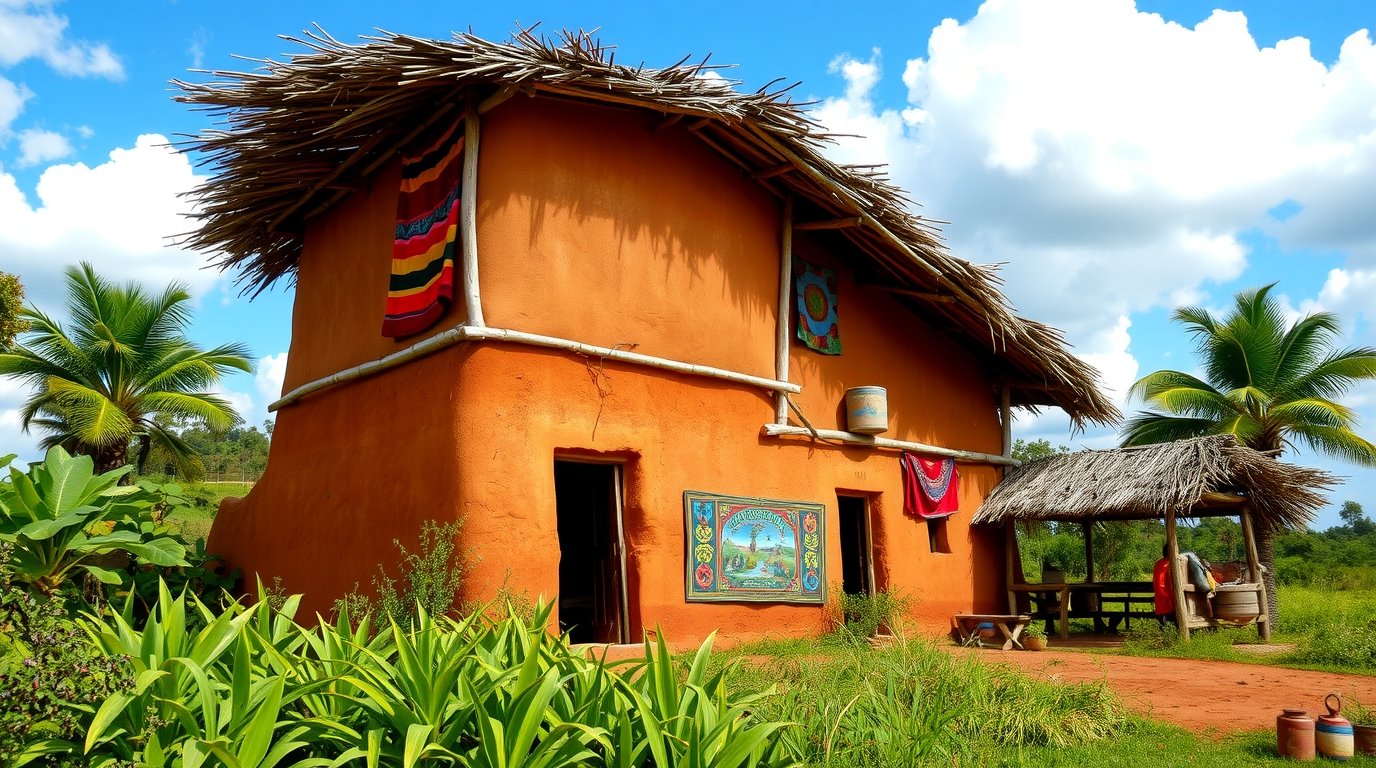
African Vernacular House Design in West Africa stands as a symbol of cultural identity, resilience, and environmental intelligence. Rooted in centuries-old traditions, these homes are built with natural materials and adapted perfectly to local climates. Unlike modern concrete structures, vernacular houses breathe, cool naturally, and foster a deep connection between people and the land. As modern architecture evolves, this traditional wisdom continues to inspire sustainable design across Africa and beyond.
Understanding African Vernacular Architecture
African vernacular house design in West Africa is shaped by geography, culture, and climate. Builders rely on resources like mud, thatch, and wood, using methods refined through generations. Each region’s style reflects its people’s way of life—whether in coastal villages, dry savannas, or forested areas. These homes are not just shelters; they are living expressions of local craftsmanship and communal knowledge.
Common Materials Used in West African Vernacular Houses
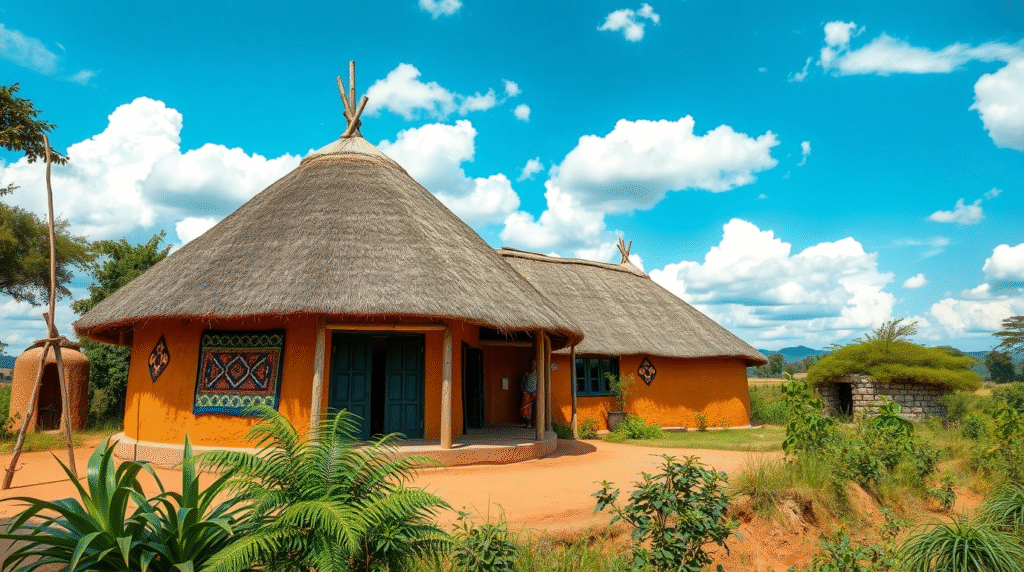
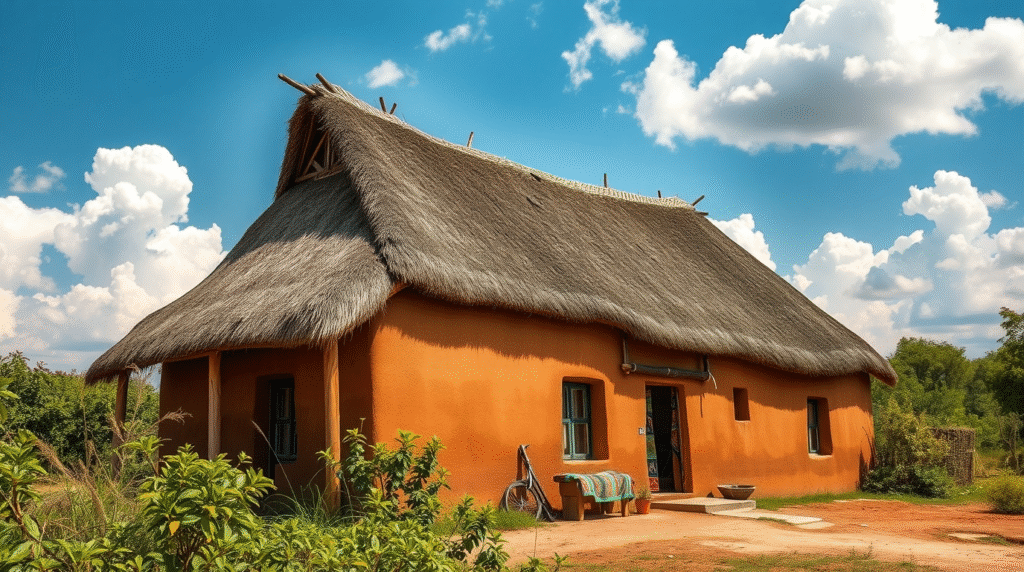
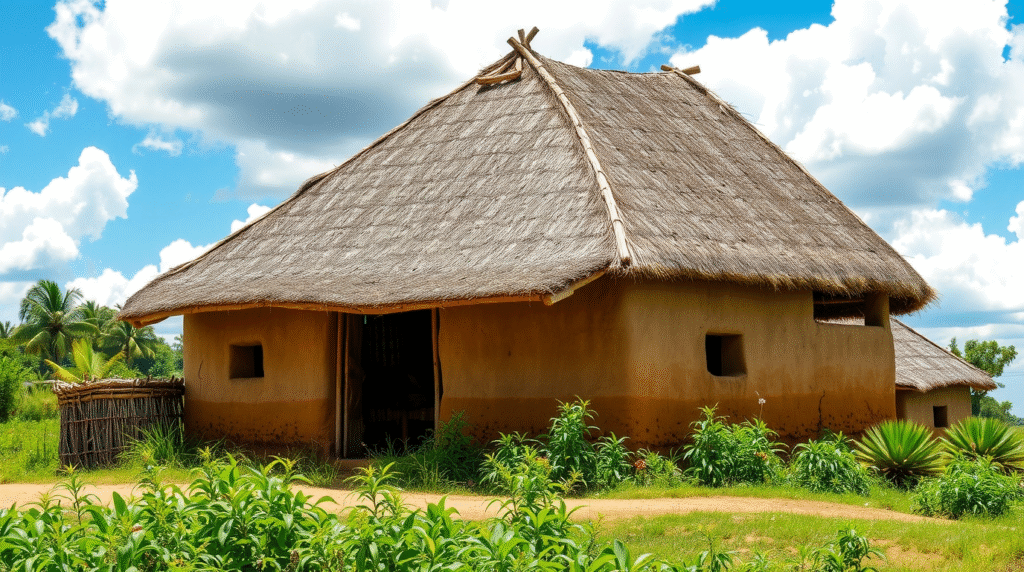
Local materials define the essence of West African homes. Builders often use laterite clay, which keeps interiors cool during hot days and warm at night. Thatch roofs made from palm leaves or grasses provide insulation and resist heavy rainfall. Wooden frames and bamboo reinforcements add structure while keeping the design lightweight. Because materials are locally sourced, construction is both cost-effective and environmentally friendly.
Architectural Styles Across West Africa
Across the region, house styles vary with culture and environment. In Mali, the iconic mud-brick houses of Djenné feature tall façades with wooden beams used for maintenance and decoration. In Nigeria, circular huts with conical roofs dominate rural areas, offering strength against winds. Meanwhile, in Ghana, compound-style homes with courtyards promote family unity and natural ventilation. Each design showcases how tradition meets necessity.
Climate-Responsive Design Techniques
Vernacular architecture in West Africa adapts skillfully to harsh weather conditions. Thick mud walls regulate indoor temperature naturally. Small windows and shaded verandas reduce heat gain while encouraging airflow. Sloped roofs quickly shed rainwater during storms. These techniques prove that traditional builders mastered sustainable design long before modern eco-building concepts emerged.
Social and Cultural Importance of Traditional Houses
Traditional houses in West Africa carry deep social meaning. Families pass them down through generations, symbolizing heritage and continuity. Community cooperation is vital during construction, strengthening social ties. Homes often serve as spaces for storytelling, ceremonies, and gatherings. Thus, architecture becomes not just functional but also a reflection of shared cultural identity.
Evolution of Vernacular Design in Modern Times
Today, architects are reinterpreting African vernacular house design for modern living. By blending old techniques with new technologies, they create structures that are both sustainable and stylish. Compressed earth blocks, solar energy, and rainwater harvesting systems now enhance traditional layouts. This evolution bridges the gap between heritage and innovation, ensuring these designs remain relevant.
Sustainability and Environmental Benefits
Using local materials significantly reduces carbon emissions and construction waste. Earthen walls store thermal energy, lowering the need for air conditioning. Moreover, organic materials decompose naturally, minimizing environmental impact. Because these houses adapt to natural surroundings, they promote biodiversity and preserve ecosystems. Sustainability, therefore, is not an addition—it’s an intrinsic part of vernacular design.
Challenges Facing Vernacular Architecture
Despite its many strengths, African vernacular house design faces challenges in the modern era. Urbanization, migration, and modernization threaten traditional construction skills. Younger generations often favor concrete buildings, viewing them as more “modern.” However, preserving local knowledge is essential for sustainable development. Integrating vernacular principles into formal education could help safeguard this wisdom for the future.
Innovations Inspired by Vernacular Design
Architects worldwide now study African vernacular techniques to solve modern design problems. Passive cooling, natural ventilation, and community-oriented layouts inspire eco-friendly projects globally. In West Africa, organizations are promoting hybrid designs—using mud bricks alongside modern structural supports. These innovations prove that traditional knowledge remains vital in today’s green architecture movement.
How African Vernacular Design Shapes Identity
Architecture shapes identity, and nowhere is this more evident than in West Africa. Vernacular homes express belonging and pride, linking people to their roots. The use of local patterns, symbols, and spatial layouts reinforces cultural meaning. Through their houses, communities tell stories of survival, adaptation, and creativity—values that continue to shape African identity.
The Future of Vernacular Architecture in West Africa
The future looks bright for African vernacular house design in West Africa. As sustainability becomes a global priority, architects and policymakers increasingly value traditional building methods. Projects integrating renewable materials, solar energy, and green planning principles demonstrate how vernacular design can lead the way in resilient housing. The key lies in merging tradition with technology while preserving the spirit of community.
Conclusion
African vernacular house design in West Africa remains a blueprint for sustainable and meaningful architecture. These homes embody the harmony between humans and nature, showcasing wisdom passed down through generations. By embracing this legacy, modern designers can build resilient, energy-efficient, and culturally rooted structures. Now is the time to rediscover the genius of vernacular architecture and let it guide the future of sustainable design.
Call to Action:
Explore, learn, and support African vernacular architecture. Promote sustainable building practices that respect culture, protect the environment, and honor the timeless beauty of West African design.
FAQs
1. What defines African vernacular house design in West Africa?
It refers to traditional building methods using local materials like mud, thatch, and wood, adapted to regional climates and cultural practices.
2. Why are vernacular houses considered sustainable?
They use natural materials, require minimal energy for cooling or heating, and blend seamlessly with the environment, reducing waste and emissions.
3. How do these houses adapt to climate challenges?
Thick earthen walls, thatched roofs, and narrow windows maintain cool interiors in hot weather while protecting against rain and wind.
4. Are traditional building methods still used today?
Yes, many rural areas still rely on them, and modern architects are reviving these techniques to create eco-friendly housing solutions.
5. What is the cultural value of vernacular houses in West Africa?
They represent heritage, community spirit, and a deep connection between people, their traditions, and the environment.