

Indigenous North American Longhouse Architecture reflects the deep wisdom, creativity, and adaptability of early Native cultures. These homes were not only shelters but powerful symbols of unity and community. Built from natural materials like wood, bark, and reeds, longhouses showcased an impressive understanding of design that suited both environment and lifestyle.
What Is Indigenous North American Longhouse Architecture?
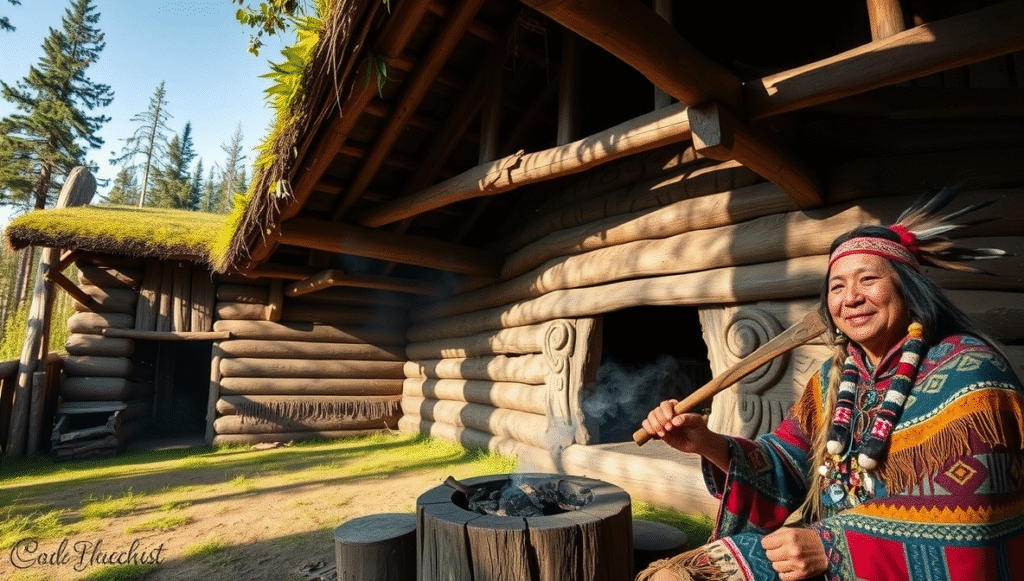
Indigenous North American longhouse architecture refers to the large, rectangular, and communal dwellings built by many tribes such as the Iroquois, Huron, and other northeastern Indigenous peoples. Constructed using sturdy wooden frames and covered with bark, these homes could stretch over 200 feet long and house multiple families. The structure represented family unity and social harmony.
Historical Importance of the Longhouse
Longhouses played a vital role in Indigenous society. Indigenous North American Longhouse Architecture They were not only living spaces but cultural centers where stories were shared, decisions made, and traditions passed down. Serving as symbols of extended families, they promoted cooperation and mutual respect. Moreover, their communal layout reflected the Indigenous philosophy of living in balance with nature and one another.
Key Features of Longhouse Construction
Each longhouse was built with practical design and environmental awareness. A wooden framework made from tree trunks provided strength and stability. Bark sheets layered on top offered insulation and weather protection. Small smoke holes at the roof’s peak allowed ventilation from indoor fires. Interior sections were divided into family compartments, with shared central aisles.
Materials Used in Longhouse Architecture
Builders used locally available materials, making construction sustainable and efficient. Indigenous North American Longhouse Architecture Wooden poles formed the main skeleton, while elm or cedar bark acted as roofing and walls. These natural resources were renewable and easy to replace. The use of organic materials helped regulate temperature, keeping interiors warm during cold winters and cool in summer.
Cultural Meaning Behind Longhouse Design
Longhouses held deep spiritual meaning. Indigenous North American Longhouse Architecture Their elongated shape represented the extended family and the bonds that connected individuals to their ancestors. Many Indigenous groups viewed the structure as a symbol of Earth itself—a nurturing space that provided protection and unity. Ceremonial gatherings inside longhouses strengthened identity and spiritual ties within the community.
How Longhouses Reflected Environmental Adaptation
Indigenous architects displayed remarkable skill in adapting designs to local climates. In colder areas, thicker bark layers insulated the longhouse, while in milder regions, lighter materials allowed airflow. The flexible design showcased environmental intelligence and respect for natural surroundings. Communities thrived by aligning architecture with the rhythm of the land.
Social Structure Inside the Longhouse
The longhouse interior reflected a well-organized social system. Each nuclear family had a designated space along the walls. Shared fire pits down the center encouraged collaboration in cooking and warmth. The arrangement promoted equality and cooperation, strengthening family bonds. Clan mothers or elder women often oversaw household matters and decisions within these homes.
Regional Variations in Longhouse Design
Longhouse designs varied among Indigenous nations. The Iroquois built longer, more permanent wooden structures, while tribes along the Pacific Coast crafted plank houses with carved details. Differences in available materials and climate shaped construction styles. Still, the shared concept of communal living united these architectural forms across regions.
Influence on Modern Sustainable Architecture
Modern architects often study Indigenous North American longhouse architecture for sustainable design inspiration. The use of renewable resources, passive ventilation, and community-based layouts influence today’s eco-friendly construction. Concepts like natural insulation and shared living spaces are now common in green architecture, mirroring ancient Indigenous wisdom.
Longhouse Restoration and Cultural Revival
Many Indigenous communities today are rebuilding longhouses as cultural centers. These structures help preserve traditions and educate younger generations. Through restoration projects, people reconnect with ancestral values and craftsmanship. Such efforts keep the architectural heritage alive while promoting cultural pride and environmental awareness.
Lessons from Indigenous Longhouse Architecture
Studying longhouses teaches valuable lessons about sustainability, cooperation, and adaptability. Indigenous builders understood how to live in harmony with nature without waste. Their designs emphasized function, respect, and longevity. These principles remain essential in addressing today’s environmental challenges and shaping a balanced, resilient future.
Conclusion:
Indigenous North American longhouse architecture stands as a timeless reminder of human ingenuity and cultural depth. Its sustainable design and communal spirit continue to inspire architects and historians. By learning from these ancient builders, society can create more harmonious and eco-conscious living environments. Embrace their wisdom—support Indigenous cultural projects, visit heritage sites, and share their stories to keep this legacy thriving.
FAQs
Q: What is the purpose of a longhouse in Indigenous culture?
A: A longhouse served as both a home and a community center for multiple families, symbolizing unity and cooperation.
Q: Which tribes are known for building longhouses?
A: The Iroquois, Huron, and several northeastern tribes are best known for their traditional longhouses.
Q: What materials were used to build longhouses?
A: Builders used wood, bark, reeds, and natural fibers, ensuring sustainability and local resource use.
Q: How long could Indigenous longhouses be?
A: Some longhouses reached over 200 feet in length and housed several families under one roof.
Q: Why is Indigenous longhouse architecture important today?
A: It teaches vital lessons about sustainable living, community values, and respect for nature that remain relevant today.