

Mediterranean Hillside House Architecture Italy represents the perfect harmony between human creativity and the natural landscape. From sun-washed terraces to rustic stone walls, these homes capture the essence of Italian charm. Designed to embrace panoramic views, warm light, and cool breezes, each structure reflects centuries of craftsmanship and cultural pride. In modern times, architects combine tradition with sustainability, creating homes that celebrate both history and innovation. Let’s explore how Italian hillside architecture continues to inspire the world with its elegance, balance, and connection to nature.
The Essence of Mediterranean Hillside Architecture in Italy
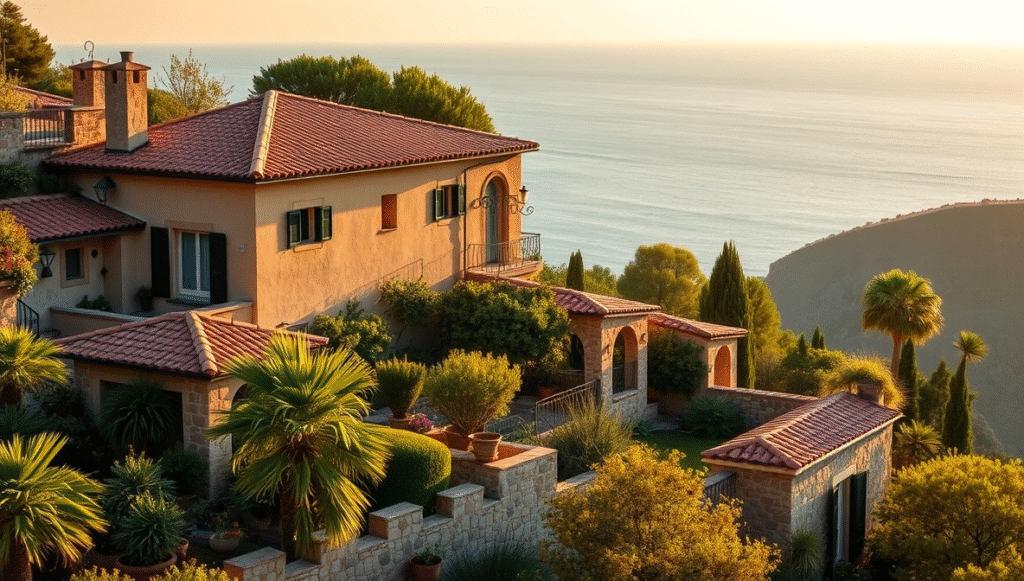
Mediterranean Hillside House Architecture Italy blends functionality with aesthetics. Houses are built into slopes, allowing breathtaking views of valleys and seas. Every detail—from terracotta tiles to wooden beams—tells a story of regional heritage. Thick stone walls keep interiors cool during summer and warm in winter, ensuring natural comfort all year. Moreover, these homes promote outdoor living through courtyards and balconies that connect directly with nature. This architectural style doesn’t just look beautiful; it enhances lifestyle and environmental balance, which is why it remains admired worldwide.
Design Elements That Define Italian Hillside Homes
Traditional Italian hillside houses feature natural materials such as limestone, clay, and wood. Architects use these locally sourced materials to achieve an authentic look while reducing environmental impact. Mediterranean Hillside House Architecture Italy Roofs are typically sloped with red tiles, offering both charm and practicality against weather changes. Windows are placed strategically to maximize sunlight and ventilation, reducing energy use. In addition, archways and open layouts enhance spatial flow, making every corner feel airy and bright. Each element—crafted with precision—creates a seamless blend of comfort, beauty, and sustainability.
The Role of Landscape in Mediterranean Architecture
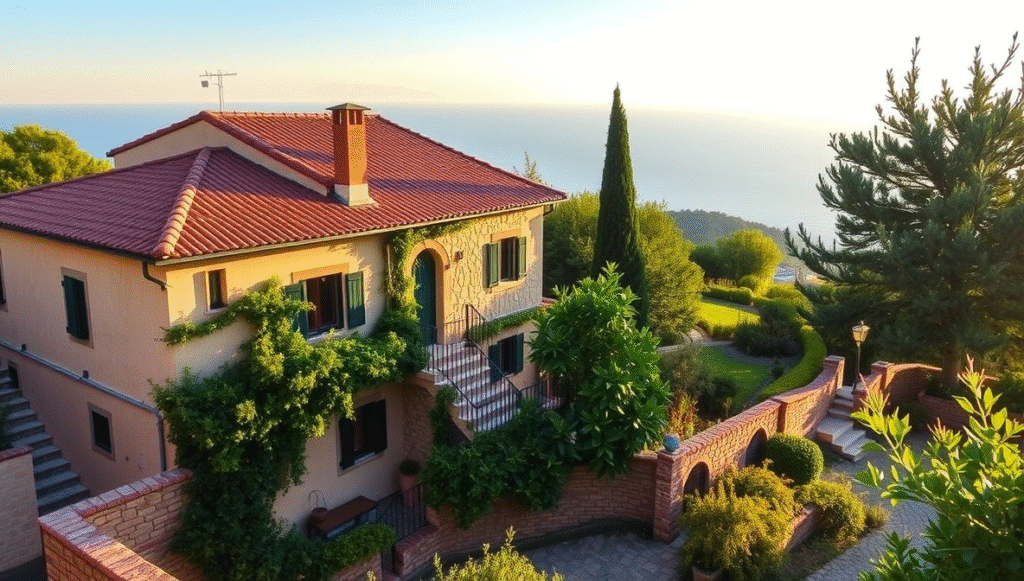
Landscape plays a crucial role in Mediterranean hillside house architecture in Italy. Builders adapt each design to the terrain, respecting nature rather than reshaping it. Terraced gardens, olive trees, and stone pathways integrate seamlessly with the surroundings. Instead of fighting gravity, architects embrace it by constructing multi-level homes that follow the slope. These terraces often host gardens, patios, and pools, allowing residents to enjoy both privacy and spectacular views. Through this connection with nature, the architecture becomes part of the landscape itself, not separate from it.
Sustainability in Modern Mediterranean Hill Homes
Contemporary Italian hillside homes merge timeless beauty with sustainable innovation. Solar panels, rainwater systems, and eco-friendly insulation are now common features. By using renewable materials and energy-efficient techniques, these designs minimize environmental footprints. Furthermore, architects emphasize passive cooling and heating, reducing dependence on mechanical systems. Natural cross-ventilation and thermal mass techniques make living comfortable without excessive energy use. This thoughtful balance between modern technology and traditional wisdom makes Mediterranean hillside house architecture Italy a model for sustainable living around the world.
Materials That Shape the Mediterranean Charm
Every Mediterranean home tells a story through its materials. Natural stone gives strength and rustic beauty, while clay tiles bring warmth and color. Wooden beams add character, creating a cozy, welcoming atmosphere. In many cases, walls feature earthy tones that reflect sunlight beautifully throughout the day. These materials not only enhance visual appeal but also improve indoor climate and durability. By using locally available resources, builders preserve both regional authenticity and ecological responsibility, keeping the true spirit of Italy alive in every design.
How Italian Climate Influences Architectural Choices
Climate deeply influences Mediterranean hillside house architecture in Italy. With hot summers and mild winters, architects design homes that balance shade and sunlight perfectly. Thick walls prevent heat from entering, while wide windows invite fresh air. Courtyards and pergolas offer shaded outdoor spaces ideal for social gatherings. Orientation plays a key role—homes often face south to capture gentle breezes and sunlight. Every architectural decision serves both comfort and efficiency, ensuring harmony between human living and the natural Mediterranean climate.
Cultural Heritage Behind Italian Hillside Designs
Italian hillside homes carry generations of cultural expression. Architecture reflects the region’s art, agriculture, and family traditions. Stone villages perched on hillsides symbolize resilience and community unity. Even today, builders follow age-old methods that honor local craftsmanship. Murals, arches, and handmade tiles add artistic details, turning homes into living museums of culture. While modern updates improve functionality, the essence remains rooted in heritage. Each home becomes a tribute to Italy’s enduring spirit of design, beauty, and connection to its land.
Blending Tradition with Contemporary Comfort
Modern architects in Italy skillfully blend historical design with modern convenience. They retain classic features like arches and rustic facades while integrating smart technology. Kitchens, lighting, and insulation now reflect 21st-century standards without losing traditional charm. This seamless fusion creates homes that feel timeless yet contemporary. As a result, Mediterranean hillside house architecture Italy continues to evolve, attracting global admiration for its versatility and grace. It proves that innovation can honor the past while shaping a sustainable future for Italian architecture.
Conclusion
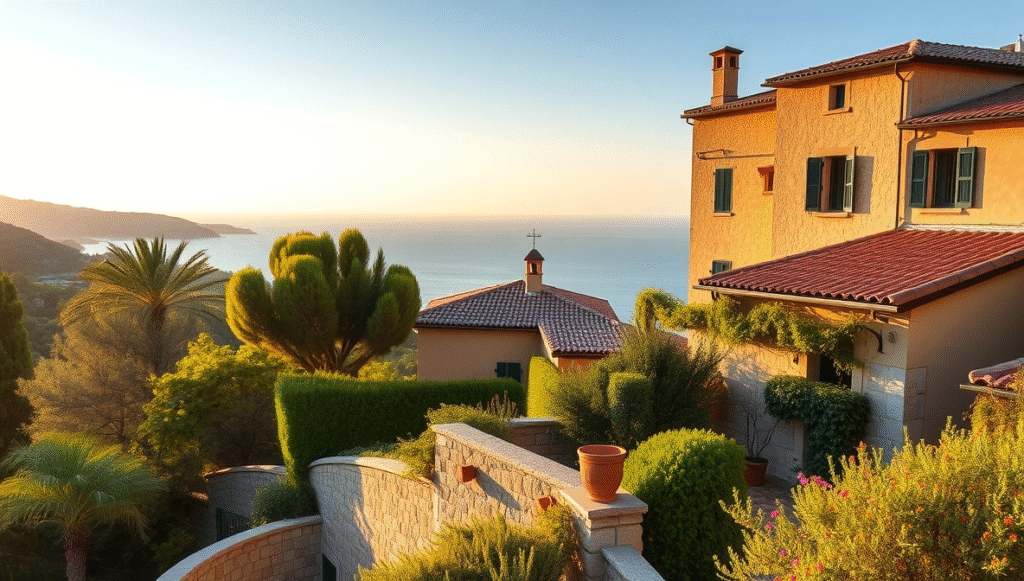
Mediterranean hillside house architecture in Italy stands as a masterpiece of balance, blending art, culture, and nature. Every wall, arch, and garden tells a story of history and harmony. These homes invite people to slow down, breathe, and connect with their surroundings. Whether traditional or modern, they embody comfort, sustainability, and timeless beauty.
If you dream of designing your own hillside home, take inspiration from Italian architecture. Embrace natural materials, sustainable practices, and scenic harmony to create a home that reflects your values and style. Let your living space tell its own story—just like the hillsides of Italy do.
FAQs
Q1: What makes Mediterranean hillside house architecture unique in Italy?
A1: It combines natural materials, scenic designs, and cultural heritage to create homes that blend beautifully with the landscape.
Q2: Why are Italian hillside homes built on slopes?
A2: Building on slopes allows architects to use natural terrain for stability and offers residents breathtaking views of valleys and seas.
Q3: How do these homes stay cool during summer?
A3: Thick stone walls, wide windows, and natural ventilation systems keep interiors cool without relying on heavy air conditioning.
Q4: What materials are commonly used in Mediterranean hillside homes?
A4: Builders typically use stone, wood, clay tiles, and plaster, which are durable, eco-friendly, and regionally available.
Q5: Can modern technology fit into traditional Mediterranean homes?
A5: Yes, architects now integrate solar panels, smart systems, and eco-friendly features while preserving the classic Mediterranean charm.