
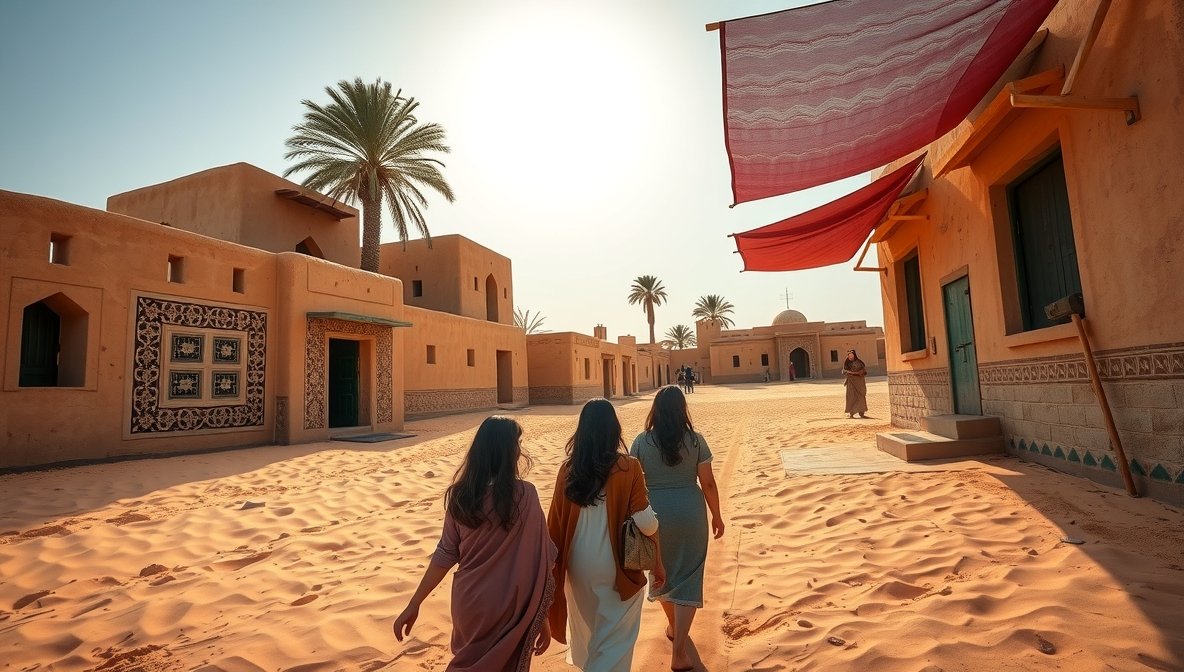
Walking through the golden sands of Arabian Desert House Architecture in Saudi Arabia, you can see houses that tell stories of culture, climate, and creativity. Each home stands as a symbol of how people have adapted to the desert’s heat, sand, and sunlight. In this article, we explore how Arabian desert house architecture Saudi Arabia blends traditional wisdom with modern design innovation.
We’ll look closely at how architecture in the Saudi desert answers nature’s challenges while expressing cultural identity. By understanding materials, structure, and purpose, you’ll see how these desert houses are both beautiful and practical for life in one of the world’s harshest environments.
What Defines Arabian Desert House Architecture in Saudi Arabia
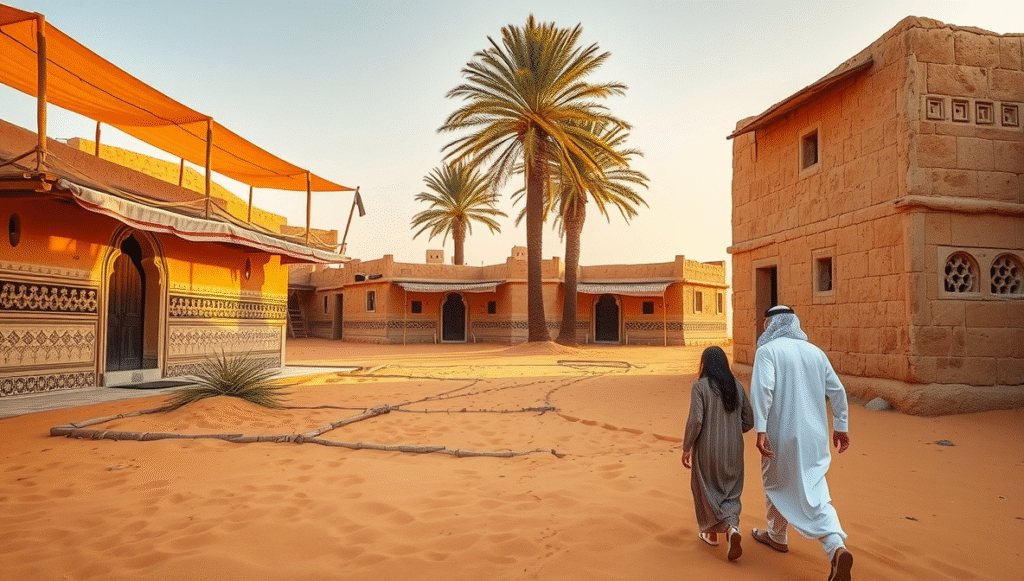
Arabian desert house architecture Saudi Arabia is shaped by climate, history, and lifestyle. Every element—walls, windows, and courtyards—is designed to withstand extreme temperatures and strong winds. The main goal is comfort, using natural methods rather than heavy reliance on technology.
Traditional desert houses were built with thick walls of mud or stone, creating cool interiors that stayed stable in both day and night temperatures. They featured limited openings to protect against sandstorms while still allowing ventilation. The result was an architecture that balanced function with beauty.
Moreover, Saudi desert architecture reflects local values such as privacy and family unity. Homes were designed inward, with open courtyards serving as private spaces for gatherings, rest, and reflection.
Key Architectural Features of Desert Houses in Saudi Arabia
When studying Arabian desert house architecture Saudi Arabia, some design elements appear repeatedly across regions and centuries.
Thick Walls and Local Materials
Houses often use sun-dried mud bricks or local stone coated with mud plaster. These natural materials absorb heat slowly and release it at night, keeping interiors comfortable throughout the day.
Small Windows and Narrow Streets
Small triangular or rectangular openings allow airflow without letting in too much sunlight. Narrow streets between homes also create shade, lowering surrounding temperatures and encouraging social interaction.
Courtyards and Flat Roofs
The central courtyard acts as the heart of the home. It provides light, air, and a cool microclimate while ensuring privacy. Flat roofs, on the other hand, serve as sleeping or social areas during cooler evenings.
Climate Adaptation
Every design decision—orientation, height, shading, and layout—is guided by climate. The architecture works with nature, not against it, ensuring that homes stay cool, bright, and sustainable.
Traditional vs. Modern Arabian Desert Architecture
Saudi Arabia’s architecture has evolved, but its roots remain deep in tradition.
Traditional Architecture
Older homes, especially in regions like Najd, featured thick mud walls, small windows, and shared courtyards. The design was minimal yet perfectly suited for desert life. These houses also used decorative elements inspired by geometry and calligraphy, showing cultural pride.
Modern Architecture
Modern desert houses in Saudi Arabia often mix contemporary design with traditional techniques. Architects now use steel, glass, and concrete while maintaining desert-appropriate features like shaded courtyards and earth-tone exteriors. This combination ensures comfort, sustainability, and cultural continuity.
The Harmony Between Past and Future
While technology brings convenience, the wisdom of traditional architecture remains vital. Modern designs that merge the two—such as energy-efficient materials with heritage-inspired layouts—represent the best of both worlds.
Designing for the Desert Environment in Saudi Arabia
Creating homes in the desert requires more than aesthetics—it demands smart design strategies.
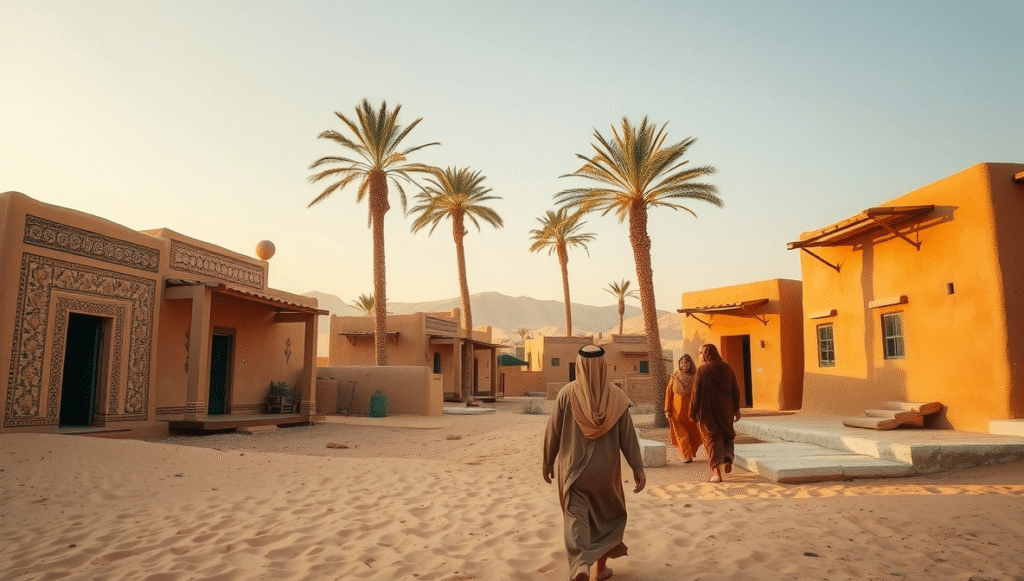
Architects orient buildings to face north or south, minimizing direct sun exposure. Walls are thick, and roofs are insulated to block heat. Small, shaded windows allow cross-ventilation, while lattice screens, or mashrabiyas, maintain privacy and airflow.
Courtyards serve as natural cooling systems. They trap cooler air and release hot air through open roofs or wind towers. Roof terraces also offer relief during warm nights, turning functional design into lifestyle comfort.
Every design choice is made to respect both the harsh climate and the cultural expectations of Saudi living.
Materials and Construction Techniques in Desert Houses
The materials used in Arabian desert house architecture Saudi Arabia are deeply connected to the land itself.
Earth and Mud-Brick Construction
Mud bricks made from local soil mixed with straw and water are common. They are durable, cost-effective, and thermally efficient, helping homes stay cool naturally.
Stone and Local Rock
In regions where stone is abundant, it becomes the main construction material. Stone foundations provide strength and reduce erosion caused by sandstorms.
Modern Innovations
Today’s architects often integrate concrete, steel, and glass but soften their appearance with traditional finishes like mud plaster or limestone coatings. This balance keeps buildings sustainable yet modern.
Finishes and Details
Decorative wall carvings, geometric patterns, and colored plasterwork—especially in the Asir region—add a cultural and artistic touch. These details transform homes into living pieces of heritage.
Cultural Significance of Desert House Architecture
Architecture in Saudi Arabia is not only about shelter—it’s about identity. Each house mirrors social values, traditions, and family dynamics.
Privacy plays a central role. Homes are often built inward, with windows facing the courtyard rather than the street. This ensures comfort while respecting cultural norms.
Regional diversity also adds richness. Najdi architecture features flat roofs and simple facades, while the coastal Hejazi style includes wooden balconies and decorative elements. Together, they showcase how local culture influences architectural form.
Most importantly, desert architecture reflects resilience. It shows how people thrive in tough environments through creativity and adaptation.
Challenges and Opportunities in Modern Desert Architecture
Building in the desert presents difficulties—but also great potential.
Challenges
Extreme heat, scarce water, and sandstorms test both materials and design. Modern lifestyles demand comfort and technology, often leading to higher energy use.
Opportunities
Saudi Arabia’s vision for sustainable development encourages architects to combine heritage with innovation. Renewable energy, natural ventilation, and local materials are key elements in this movement. By blending tradition and technology, designers can create timeless, eco-friendly homes.
Toward Sustainability
Modern desert architecture emphasizes low energy use. Shading devices, thick walls, and green roofs help regulate temperature naturally. Locally sourced materials reduce environmental impact while supporting local economies.
Real-Life Examples of Desert Architecture in Saudi Arabia
Saudi Arabia is home to some remarkable examples of desert design.
Al-Ula Desert Residences
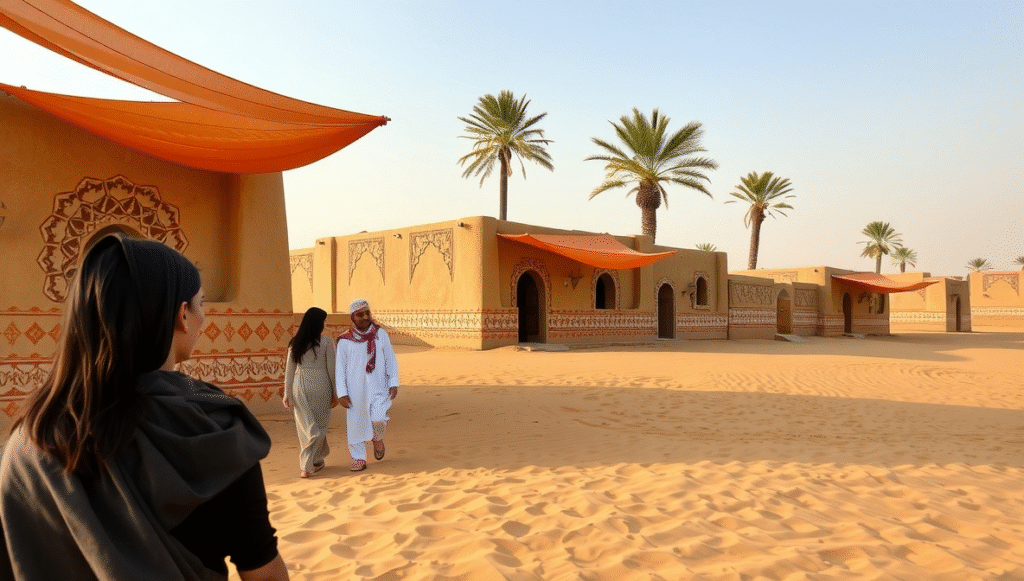
In Al-Ula, architects have created low-profile homes that blend with sandstone cliffs. Their colors match the surrounding dunes, and their materials echo the region’s heritage.
Private Homes in Alammariah
In central Saudi Arabia, modern residences use local stone, shaded courtyards, and open layouts. These houses demonstrate how luxury can coexist with desert sustainability.
These projects prove that Arabian desert house architecture Saudi Arabia continues to evolve—rooted in heritage yet ready for the future.
Conclusion
The architecture of desert houses in Saudi Arabia is more than design—it’s a dialogue between people, culture, and nature. These homes are built to last, breathe, and adapt. Whether traditional or modern, they carry lessons for sustainable living across the world.
If you’re planning a project in a dry or desert area, take inspiration from Arabian desert house architecture Saudi Arabia. Work with architects who understand the balance between environment, technology, and tradition. Start building a future that respects both your comfort and the earth.
FAQs
Q1: What is Arabian desert house architecture Saudi Arabia?
It’s an architectural style developed to handle desert conditions, blending traditional Saudi design with climate-smart techniques.
Q2: Why do these houses have thick walls?
Thick walls provide insulation, keeping homes cool during the day and warm at night.
Q3: What materials are commonly used?
Common materials include mud brick, stone, and palm wood. Modern versions may use concrete with traditional finishes.
Q4: How does traditional design influence modern desert houses?
Modern homes still use courtyards, small windows, and shaded areas inspired by traditional Saudi design.
Q5: Are desert houses energy-efficient?
Yes. When designed properly, they reduce energy use through natural ventilation, insulation, and renewable materials.