
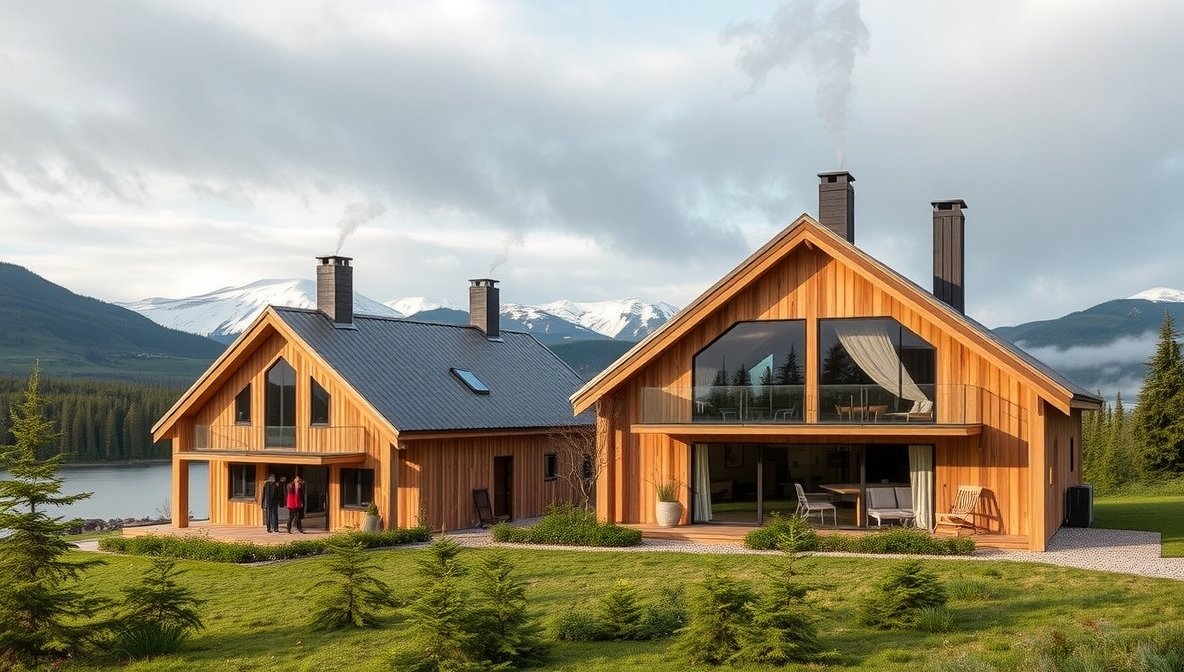
Sweden leads in blending nature, craftsmanship, and innovation through Nordic Timber House Architecture Sweden. These homes stand out for their warm wood textures and harmony with the landscape. They represent sustainability, tradition, and modern design combined. This guide explores why timber architecture in Sweden is admired worldwide and how it continues to evolve.
What Is Nordic Timber House Architecture in Sweden
Nordic timber house architecture in Sweden means using wood as the main material for homes built with Scandinavian design principles. These buildings highlight clean lines, natural light, and balance with the environment. Swedish timber architecture draws from centuries of forestry and skilled craftsmanship. It celebrates warmth, sustainability, and efficiency—qualities that define modern Nordic living.
The Role of Timber in Swedish Architecture
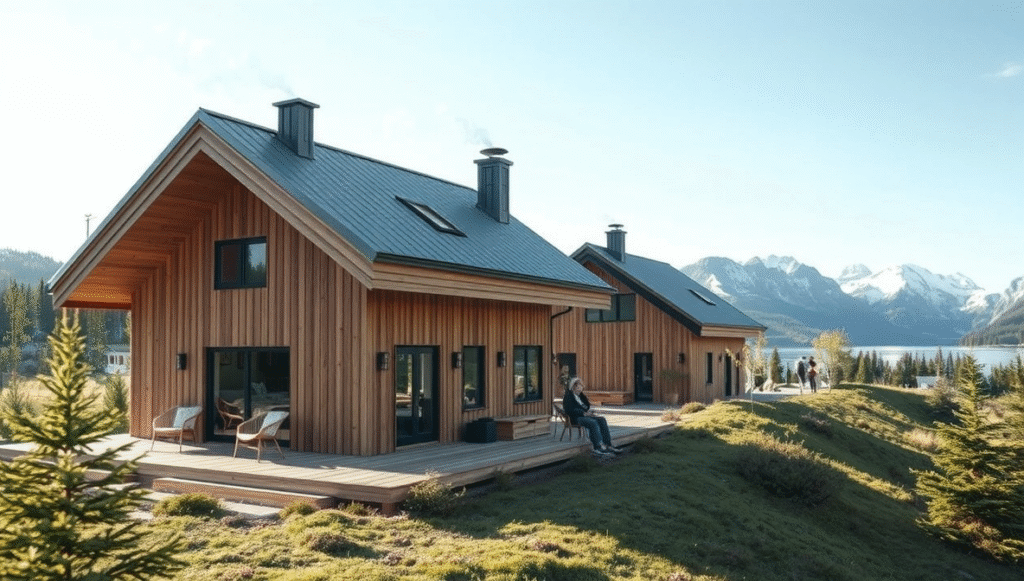
Timber holds deep cultural and architectural significance in Sweden. Architects use materials like glulam (glued laminated timber) and cross-laminated timber (CLT) for structure and design. Wood delivers strength and flexibility while reducing environmental impact. Its lightweight nature makes construction faster and more efficient. Swedish builders value timber for its renewable qualities, insulation power, and timeless beauty.
Key Features of Swedish Timber House Design
Natural Materials and Warm Textures
Swedish timber houses embrace wood as both structure and decoration. Exposed beams, ceilings, and walls bring warmth and texture indoors. Each piece of timber tells a story of craftsmanship and care, creating interiors that feel close to nature.
Large Windows and Connection to Landscape
Nordic design values sunlight and views. Timber houses in Sweden often feature wide glass openings, sliding doors, and panoramic windows. These elements connect living spaces with nature, allowing outdoor scenery to blend with the indoor environment.
Sustainable and Efficient Construction
Timber construction offers low carbon emissions, lighter foundations, and shorter build times. Using renewable wood from managed forests helps lower environmental footprints. Many Swedish cities now support timber-based urban housing projects to promote green development.
Climate-Appropriate Design
Sweden’s cold climate demands smart, energy-efficient homes. Timber provides excellent insulation while allowing walls to breathe naturally. Designs often include south-facing windows, thick insulation layers, and efficient heating systems for year-round comfort.
Swedish Timber House Architecture Evolution
Swedish timber architecture began centuries ago with log cabins and red-painted cottages. Over time, it evolved into advanced timber engineering. Today’s architects combine traditional craftsmanship with modern sustainability practices. Iconic red wooden houses remain a symbol of Swedish identity, while innovative timber buildings redefine urban skylines.
Benefits of Nordic Timber Houses in Sweden
Environmental Sustainability
Timber houses reduce carbon footprints by storing carbon and replacing energy-intensive materials like concrete. Swedish forestry ensures continuous replanting, making wood an eco-friendly resource for generations.
Health and Wellbeing
Natural wood creates calming, stress-reducing environments. Timber interiors regulate humidity and improve indoor air quality, enhancing wellbeing and comfort for occupants.
Design Flexibility and Speed
Modern timber systems allow open layouts, wide spans, and customizable aesthetics. Prefabricated timber elements shorten construction time while maintaining high precision and quality.
Adaptability to Climate and Site
Timber homes integrate naturally with Sweden’s landscapes—mountains, forests, or coastlines. Builders design each home to suit its surroundings, maintaining harmony with nature.
Considerations and Challenges
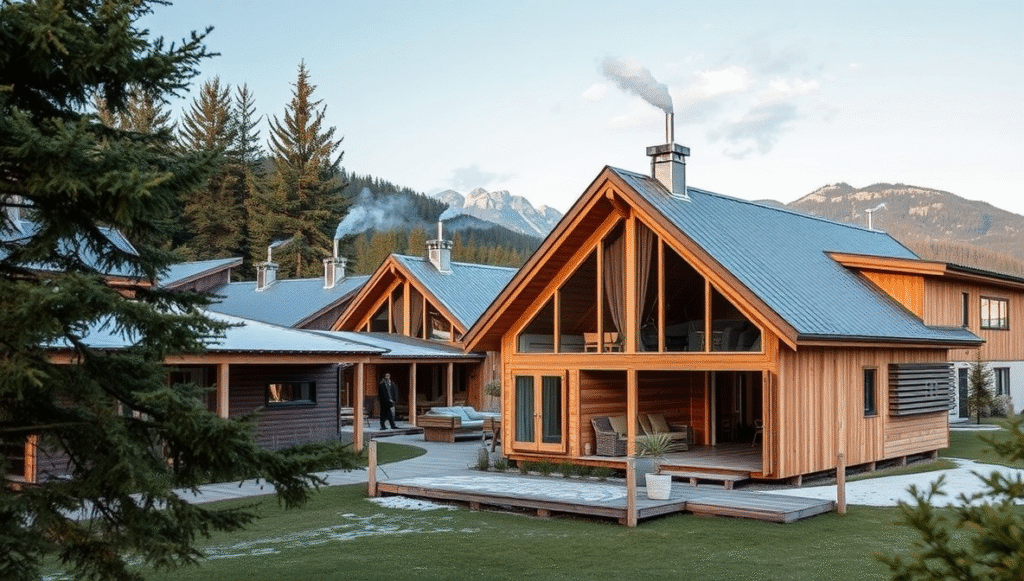
Although timber offers many advantages, builders must manage moisture carefully. Proper insulation, vapor barriers, and protective finishes prevent decay. Fire safety standards also require specific detailing to ensure compliance. High-quality timber may increase upfront costs, but energy savings and durability offset expenses over time.
Case Study Examples in Sweden
Archipelago Summer House
A wooden home built on Sweden’s rocky coast demonstrates harmony between modern design and nature. Connected wooden volumes, open decks, and glass walls create seamless transitions between indoor and outdoor living.
Minimalist Timber Cabin
A small Swedish island cabin showcases glulam frames and floor-to-ceiling glass. Surrounded by forest, it merges simplicity, warmth, and modern elegance, offering a peaceful escape into nature.
How to Plan a Nordic Timber House in Sweden
Planning a timber home requires thoughtful design and expert guidance.
- Choose sustainably sourced timber.
- Work with architects experienced in timber engineering.
- Select suitable systems like CLT or glulam for structure.
- Focus on airtightness and moisture control.
- Use natural light strategically for warmth and brightness.
- Integrate home design with landscape and site features.
- Plan regular maintenance to preserve timber finishes and joints.
Conclusion
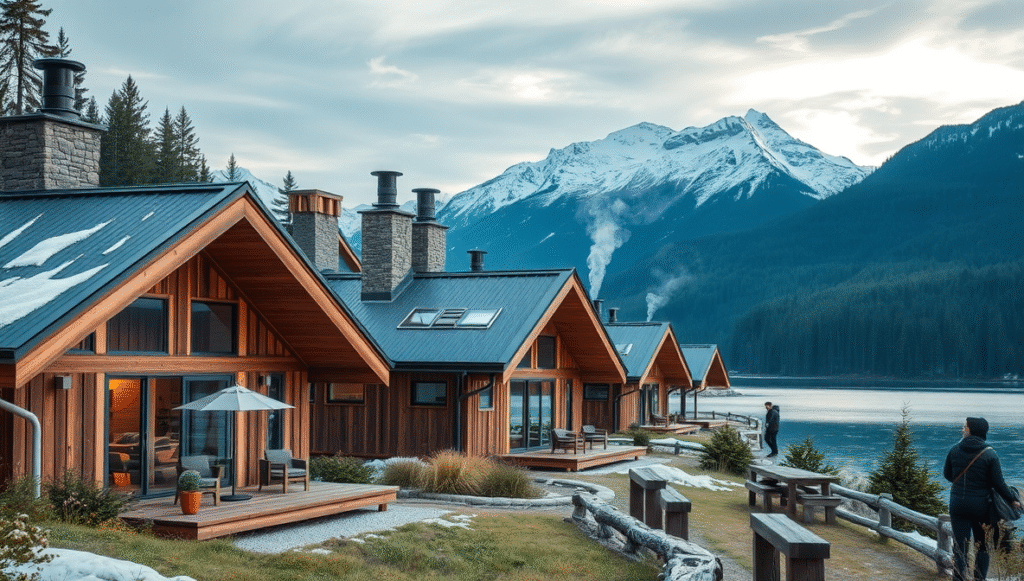
Swedish Nordic timber house architecture blends sustainability, artistry, and comfort. Each home celebrates nature while showcasing modern design innovation. Choosing timber means investing in a healthier environment, efficient construction, and timeless beauty. If you want a home that breathes with nature and endures through generations, a Swedish timber house is the perfect choice.
FAQs
Q1. What defines Nordic timber house architecture in Sweden?
It refers to homes made primarily from wood, following Scandinavian design values like simplicity, sustainability, and harmony with nature.
Q2. Why is timber popular for house construction in Sweden?
Timber offers renewable sourcing, energy efficiency, and natural warmth. It also suits Sweden’s climate and design traditions perfectly.
Q3. Are timber houses durable in Swedish weather?
Yes. With proper insulation, vapor control, and quality finishes, timber houses withstand cold, moisture, and snow effectively.
Q4. What makes Swedish timber houses sustainable?
They use renewable materials, reduce carbon emissions, and promote energy efficiency throughout their lifespan.
Q5. How long does it take to build a timber house in Sweden?
Prefabricated timber homes can be built faster than traditional structures, often completing within a few months depending on size and design.