
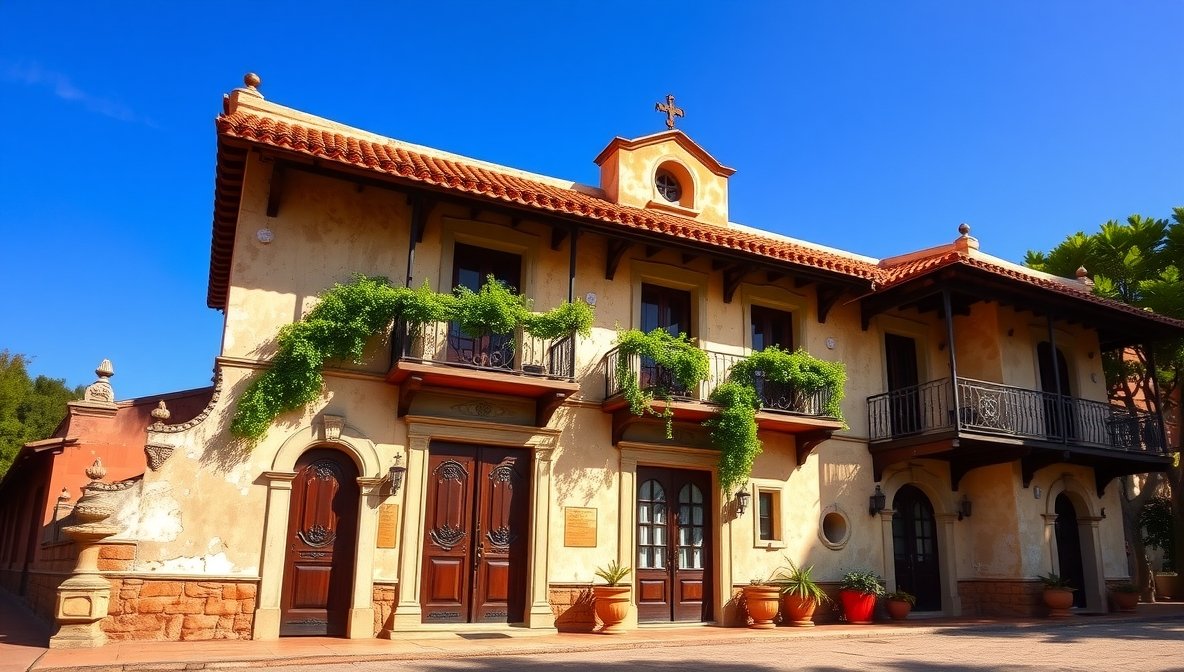
Mexican Colonial House Architecture stands as one of the most enchanting and historically rich styles in the world. Rooted in cultural fusion, it blends Spanish influence with indigenous artistry to create homes that are both functional and visually stunning. Each element—from thick adobe walls to colorful tiles—tells a story of history, craftsmanship, and identity. This architectural style remains timeless, inspiring designers and homeowners across generations.
Understanding Mexican Colonial House Architecture
Mexican colonial house architecture emerged during the 16th century when Spanish settlers arrived in Mexico. They brought their European design principles, which blended beautifully with native Mexican building techniques. This mix produced a distinctive style defined by symmetry, durability, and warmth.
Over time, these structures evolved to reflect both Spanish colonial influence and indigenous creativity. Builders incorporated local materials like clay, stone, and wood, which suited the hot climate and rugged terrain. As a result, colonial homes became both practical and elegant, emphasizing harmony between human life and the natural world.
Historical Background and Cultural Influences
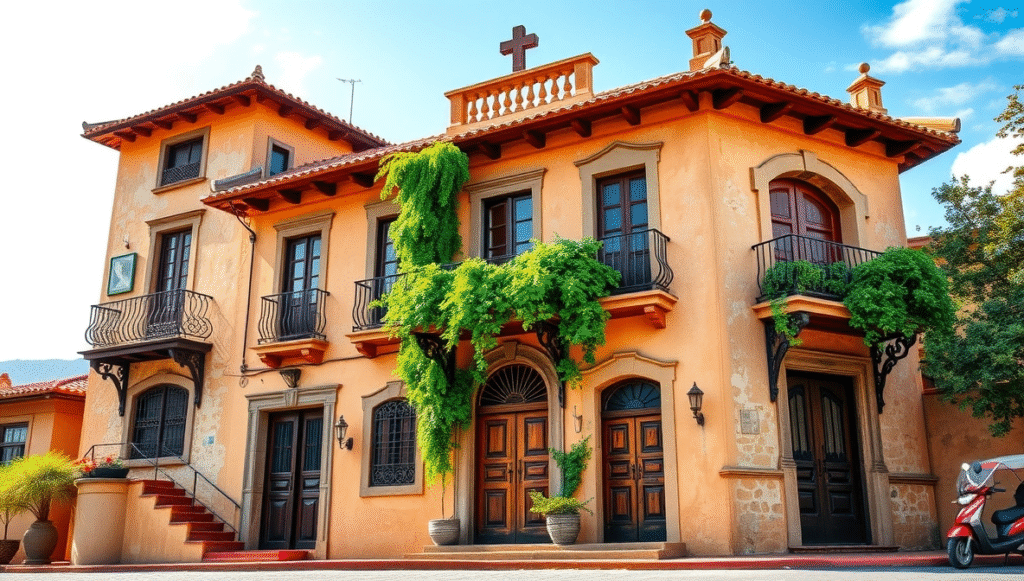
The origin of Mexican colonial house architecture lies in the early colonial era. Spanish missionaries and settlers aimed to recreate the architectural grandeur of their homeland. However, Mexico’s geography and culture transformed their vision. Native artisans contributed local artistry through vibrant colors, hand-painted tiles, and geometric patterns.
This cross-cultural exchange led to a new architectural language. It featured thick walls for insulation, central courtyards for airflow, and artistic details symbolizing faith and community. Churches, haciendas, and residences shared these characteristics, blending functionality with deep cultural meaning.
Core Design Features of Mexican Colonial Homes
Traditional Mexican colonial homes are known for their solid structure, earthy tones, and handcrafted details. Builders designed these houses to withstand time and temperature variations while maintaining aesthetic appeal.
Typical features include:
- Adobe or stone walls that insulate interiors naturally.
- Clay tile roofs with gentle slopes that manage rain efficiently.
- Wooden beams and carved doors showcasing craftsmanship.
- Arched entryways adding elegance and softness.
- Wrought iron balconies and window grills enhancing security and style.
These characteristics create a perfect balance between strength and beauty, making each home an expression of cultural identity.
Materials Used in Mexican Colonial House Architecture
Local materials played a central role in defining Mexican colonial house architecture. Builders preferred natural resources available nearby, ensuring sustainability and harmony with the environment.
- Adobe bricks provided excellent temperature control in Mexico’s warm climate.
- Stone and limestone offered durability and texture.
- Terracotta tiles were used for roofs and floors, adding warmth and color.
- Hardwoods such as cedar and mahogany added strength to beams and doors.
- Ironwork delivered both function and artistry.
These materials not only shaped the homes’ aesthetic but also enhanced their resilience and ecological balance.
Architectural Layout and Courtyard Design
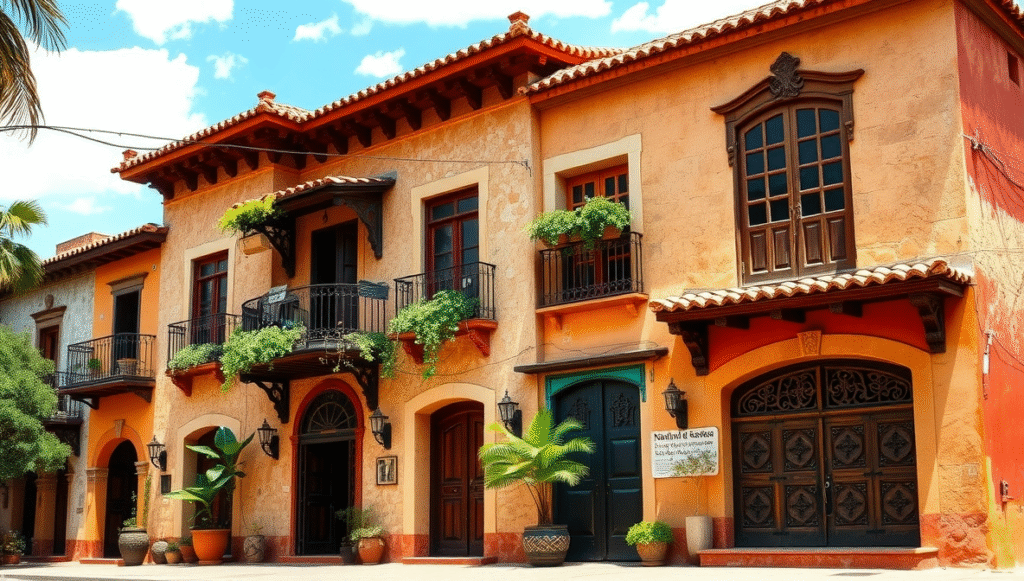
One defining element of Mexican colonial house architecture is the central courtyard, or patio. This space acts as the heart of the home, connecting indoor and outdoor areas while maintaining privacy and ventilation.
Courtyards often feature gardens, fountains, and shaded sitting areas. They allow air circulation, reduce heat, and create a peaceful retreat for families. Surrounding rooms open toward the patio, emphasizing unity and openness.
Beyond functionality, courtyards reflect cultural values—community, spirituality, and the connection between nature and architecture. This layout remains a hallmark of colonial home design today.
Interior Design and Decorative Details
Interiors of Mexican colonial homes are designed to feel both grand and inviting. Every room celebrates craftsmanship, texture, and color.
Walls are usually plastered and painted in earthy or vibrant tones—ochre, terracotta, cobalt blue, and sun-kissed yellow. Floors are covered with handcrafted tiles, while ceilings display exposed wooden beams. Hand-carved furniture and woven textiles complete the ambiance.
Every corner combines art and comfort, creating spaces that are timeless, warm, and deeply personal.
Regional Variations in Colonial Architecture
Mexico’s diverse geography has produced several regional variations in colonial house architecture. Each region reflects unique adaptations of the same design principles.
- Central Mexico (Puebla, Mexico City): Known for grand courtyards and bright Talavera tiles.
- Yucatán Peninsula: Uses limestone and pastel colors to adapt to tropical climates.
- Oaxaca: Celebrated for carved wood, bold hues, and rustic detailing.
- Northern Mexico: Blends colonial design with ranch-style simplicity.
These regional differences enrich the architectural tradition, showcasing the adaptability and creativity of Mexican builders.
Evolution into Modern Colonial Revival Design
Modern architects have revived Mexican colonial architecture by blending historical beauty with contemporary living standards. This trend, known as the Colonial Revival, preserves traditional aesthetics while introducing modern conveniences.
Homes today often feature open floor plans, large glass windows, and energy-efficient materials. Yet, they retain essential colonial elements such as arched corridors, terracotta floors, and central patios. This evolution keeps the style alive while ensuring comfort and sustainability for modern homeowners.
Symbolism and Cultural Significance
Beyond its physical beauty, Mexican colonial house architecture carries deep cultural symbolism. It represents resilience, community, and harmony between humans and nature. Every tile, beam, and arch reflects a piece of Mexican heritage.
Religious and cultural influences shaped the decorative patterns and spatial layouts. Churches inspired symmetry, while indigenous motifs added meaning and individuality. The architecture tells a story of unity — a fusion of two worlds that continues to shape Mexican identity.
Why Mexican Colonial Homes Remain Timeless
The ongoing popularity of Mexican colonial homes lies in their emotional warmth and architectural intelligence. Their design offers comfort, sustainability, and aesthetic richness. Thick walls keep interiors cool, courtyards invite natural light, and handcrafted elements add authenticity.
This timeless charm appeals to both historians and modern homeowners. By blending tradition and innovation, colonial homes remain as relevant today as they were centuries ago.
Conclusion
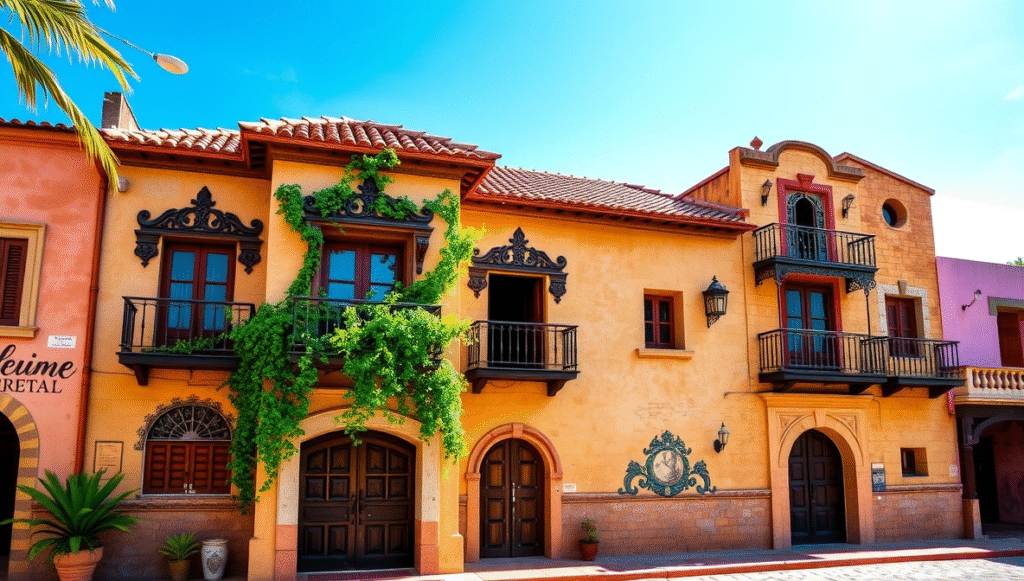
Mexican colonial house architecture is more than a style—it is a living expression of history, art, and culture. Its balance of form, function, and symbolism continues to inspire builders and designers worldwide.
If you’re seeking elegance, sustainability, and cultural depth in design, explore the beauty of Mexican colonial architecture. Its spirit endures not only in Mexico but in every corner of the world where craftsmanship and heritage are celebrated.
Start your architectural journey today and let Mexican colonial design bring history to life in your home.
FAQs
Q1. What defines Mexican colonial house architecture?
It’s characterized by thick adobe or stone walls, clay tile roofs, arched doorways, and courtyards that balance practicality with artistic expression.
Q2. Why were courtyards so important in colonial homes?
Courtyards provided ventilation, natural light, and privacy. They also symbolized peace and family unity in traditional Mexican culture.
Q3. How does modern architecture use colonial elements today?
Modern homes integrate arches, tiles, and wooden beams with contemporary layouts and energy-efficient features.
Q4. Which materials are typical in colonial construction?
Adobe, stone, terracotta tiles, wood, and wrought iron are commonly used for their durability and natural appeal.
Q5. Why is Mexican colonial architecture considered timeless?
Its enduring beauty, sustainable design, and cultural depth allow it to blend tradition with modern living, keeping it relevant across generations.