
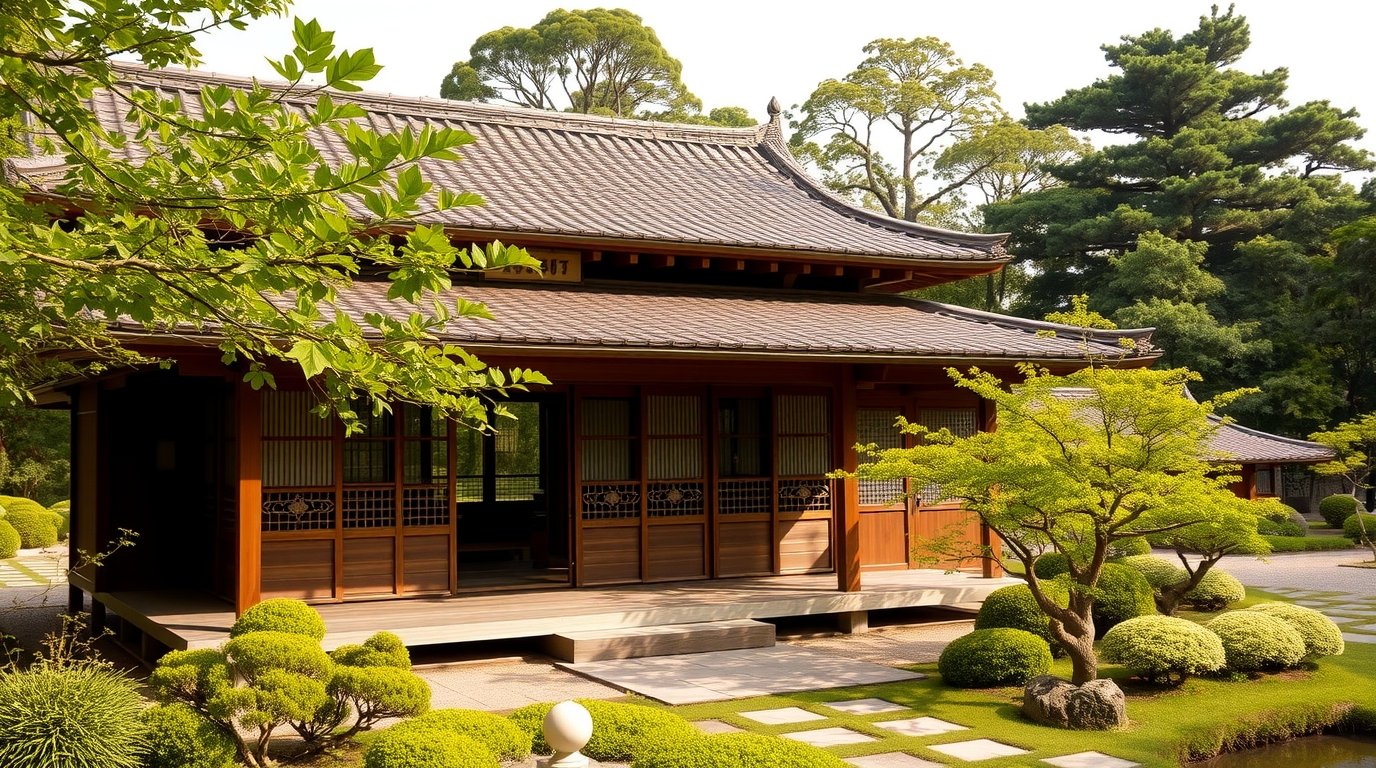
Traditional Japanese House Architecture is more than just a building style — it’s a reflection of harmony, balance, and simplicity. Every structure tells a story of culture, nature, and mindfulness. Designed with natural materials and precise craftsmanship, these homes express a deep respect for the environment. Their open layouts, sliding doors, and wooden frames invite peace and connection to the natural world.
Unlike modern concrete structures, traditional Japanese houses blend indoor and outdoor spaces beautifully. Each element — from tatami mats to shoji screens — has a purpose that supports comfort and balance. These homes remind us that simplicity and function can coexist beautifully. Let’s explore the fascinating features, design principles, and cultural meaning behind traditional Japanese house architecture.
Key Elements of Traditional Japanese House Architecture
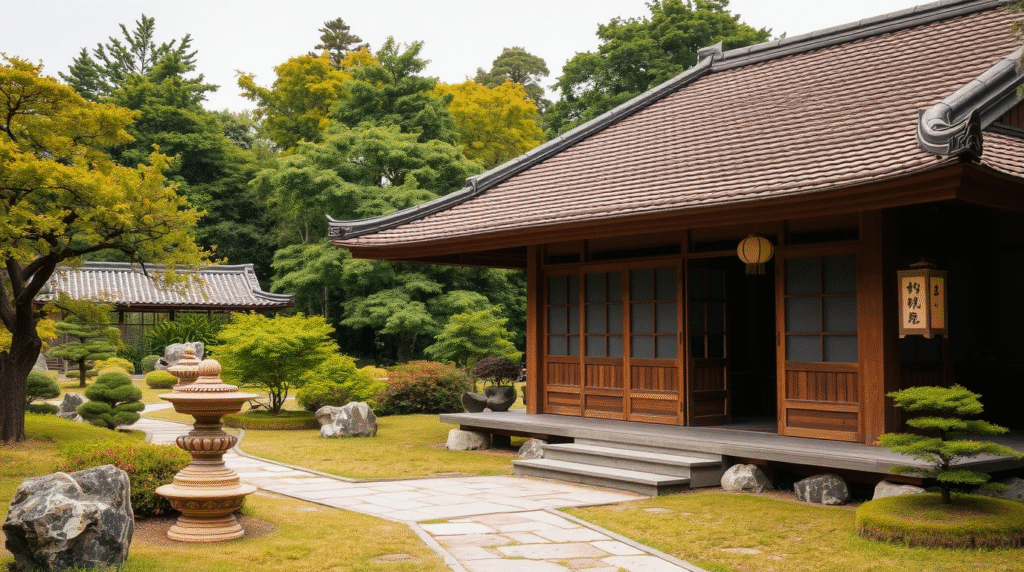
At the heart of Traditional Japanese House Architecture lies minimalism and practicality. Every part of the home connects with nature. Builders use local materials like wood, bamboo, and paper to keep the structure eco-friendly and flexible. These choices also help homes survive Japan’s changing seasons and frequent earthquakes.
Sliding doors known as fusuma and shoji replace solid walls, allowing natural light to flow easily. Tatami mats cover floors, giving the rooms a warm and natural scent. Engawa, a wooden hallway or veranda, acts as a bridge between the inside and the garden. This design feature enhances air circulation and provides a quiet resting spot.
Instead of furniture-heavy interiors, simplicity defines every room. Low tables, floor cushions, and futons reflect a lifestyle focused on mindfulness. This minimalist approach keeps spaces open, clean, and adaptable for multiple uses.
Materials and Construction Techniques
Traditional Japanese House Architecture stands strong due to its expert use of materials. Builders choose natural elements that adapt to Japan’s humid summers and cold winters. Wood, bamboo, and clay are the most common materials, offering flexibility, beauty, and durability.
Timber frames are often joined without nails, using intricate joinery techniques like kigumi. These wooden joints fit perfectly together, making structures earthquake-resistant. Paper screens and sliding panels lighten the walls and let sunlight gently enter rooms. The roofs, made from thatch or tiles, slope gracefully to handle heavy rainfall.
The raised wooden floors prevent moisture from entering and allow air to circulate freely. This keeps the interior cool in summer and dry during the rainy season. Each feature demonstrates smart craftsmanship and deep environmental understanding.
Interior Design and Spatial Arrangement
Inside traditional Japanese homes, simplicity leads to calmness. Rooms follow an open layout with flexible partitions. Instead of fixed walls, sliding doors can open or close spaces based on daily needs. This adaptability creates harmony between function and emotion.
Tatami mats define room size, with measurements often based on the number of mats. These straw mats not only serve as flooring but also set the tone for relaxation and meditation. A tokonoma — a small alcove — displays art, flowers, or scrolls, bringing beauty and meaning into the space.
Natural light plays an essential role in creating soft, peaceful interiors. Wooden lattice windows filter sunlight, offering a sense of comfort. With minimal furniture and earthy tones, every detail feels intentional and serene.
Relationship with Nature in Traditional Japanese House Architecture
A key feature of traditional Japanese house architecture is its deep connection to nature. Homes are built to follow the land’s natural shape, not to change it. Builders design structures that respect sunlight, wind direction, and seasonal changes.
Gardens become an essential part of the living space. Stones, ponds, and bonsai trees reflect balance and stillness. The engawa, or veranda, serves as a transition zone between house and garden. Here, people can enjoy the rain, wind, or chirping birds without leaving home.
Natural materials such as wood and paper create a soothing atmosphere. They change color and texture with time, reminding residents of life’s impermanence. Every sound — from rustling bamboo to creaking floors — adds to the sensory experience of calm living.
Cultural Meaning Behind Traditional Japanese House Architecture
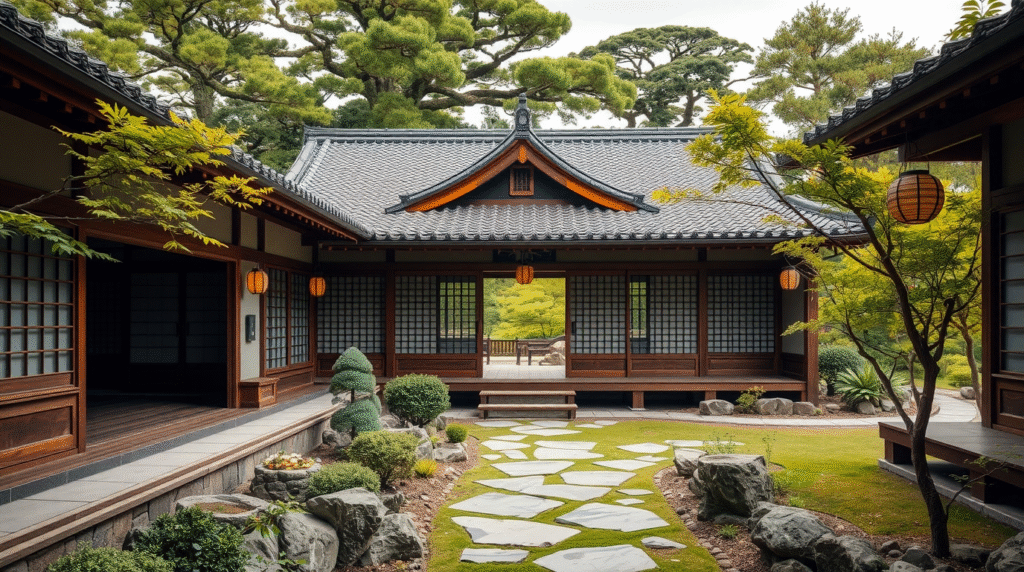
Every element of traditional Japanese house architecture carries cultural significance. These homes reflect Zen philosophy — simplicity, mindfulness, and respect for nature. The design promotes balance, not just in structure but also in life.
The openness of space encourages family connection and community living. Rooms serve multiple purposes, supporting both social and spiritual activities. The use of natural materials symbolizes purity and harmony. Even the orientation of the house follows ancient beliefs about energy flow, ensuring peace and prosperity.
By combining spiritual values with practical needs, traditional homes express Japan’s wisdom and artistry. They remind people to live with awareness, gratitude, and respect for the environment.
Modern Influence of Traditional Japanese House Architecture
Today, many architects around the world draw inspiration from traditional Japanese house architecture. Modern designs now blend technology with tradition, keeping the essence of simplicity alive. Open layouts, natural lighting, and sustainable materials reflect Japanese influence in global architecture.
Eco-friendly building practices borrow ideas from these ancient homes. Features like cross-ventilation, sliding partitions, and natural insulation support energy efficiency. Architects continue to explore how traditional design can meet modern lifestyles without losing cultural depth.
This revival shows that Japanese architecture is not only beautiful but timeless. Its principles — harmony, simplicity, and respect for nature — continue to inspire new generations of designers.
How to Incorporate Japanese Design into Modern Homes
1. Use Natural Materials
Choose wood, bamboo, or paper-based materials for walls, floors, and decor. These add warmth and connect the home with nature.
2. Embrace Minimalism
Keep spaces open and clutter-free. Focus on functionality and comfort rather than excess decoration.
3. Integrate Nature Indoors
Add indoor plants, stone paths, or small gardens. Use large windows to let in natural light and outdoor views.
4. Add Sliding Doors and Tatami Mats
Install sliding panels to separate rooms and tatami mats to define spaces. These small touches bring traditional Japanese aesthetics into daily living.
5. Create a Peaceful Corner
Design a small area with simple art, flowers, or candles — a personal space for reflection and calmness.
Conclusion
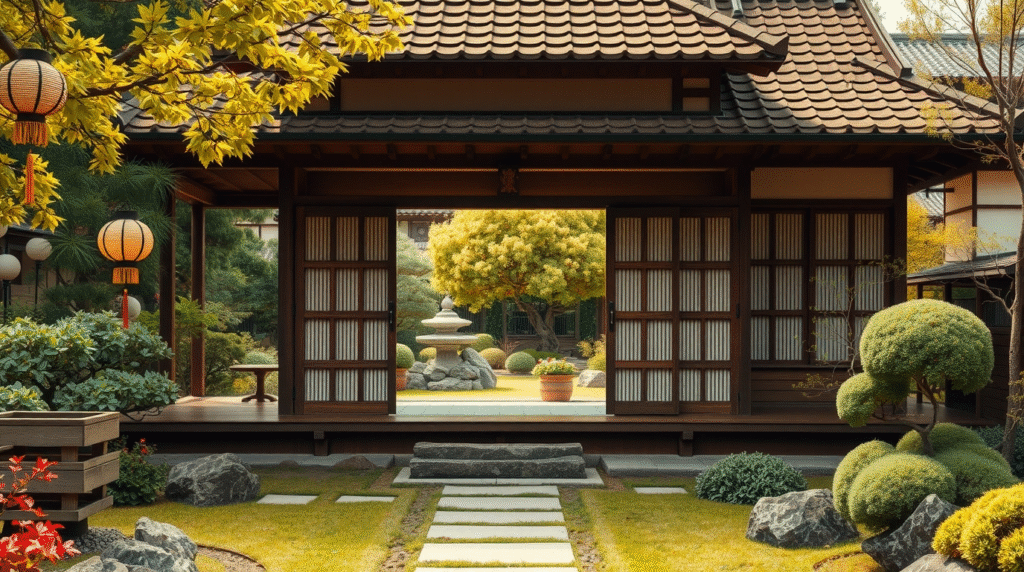
Traditional Japanese house architecture is a perfect example of balance between beauty and function. Its deep respect for nature, thoughtful materials, and simple design create spaces full of peace and harmony. In a busy modern world, these homes teach us to slow down, appreciate small details, and live mindfully.
If you’re dreaming of creating a home that feels calm, natural, and timeless, start by following the lessons of traditional Japanese architecture. Simplicity never fades — it grows stronger with time. Bring the spirit of Japan’s tradition into your home today and live closer to nature every day.
FAQs
1. What materials are used in traditional Japanese house architecture?
Wood, bamboo, clay, paper, and straw are the main materials. These natural elements keep the house eco-friendly and adaptable to climate changes.
2. Why do traditional Japanese houses have sliding doors?
Sliding doors allow flexibility, natural light, and airflow. They make spaces open and adjustable for different activities.
3. What is a tatami mat?
A tatami mat is a straw mat used as flooring. It offers comfort, natural scent, and defines the room’s size and layout.
4. How do Japanese homes connect with nature?
They include open verandas, indoor gardens, and wooden floors. Homes are positioned to follow sunlight, wind, and natural scenery.
5. Can traditional Japanese design work in modern homes?
Yes, many people mix Japanese elements like minimalism, natural materials, and sliding doors with modern architecture for a peaceful, balanced space.