
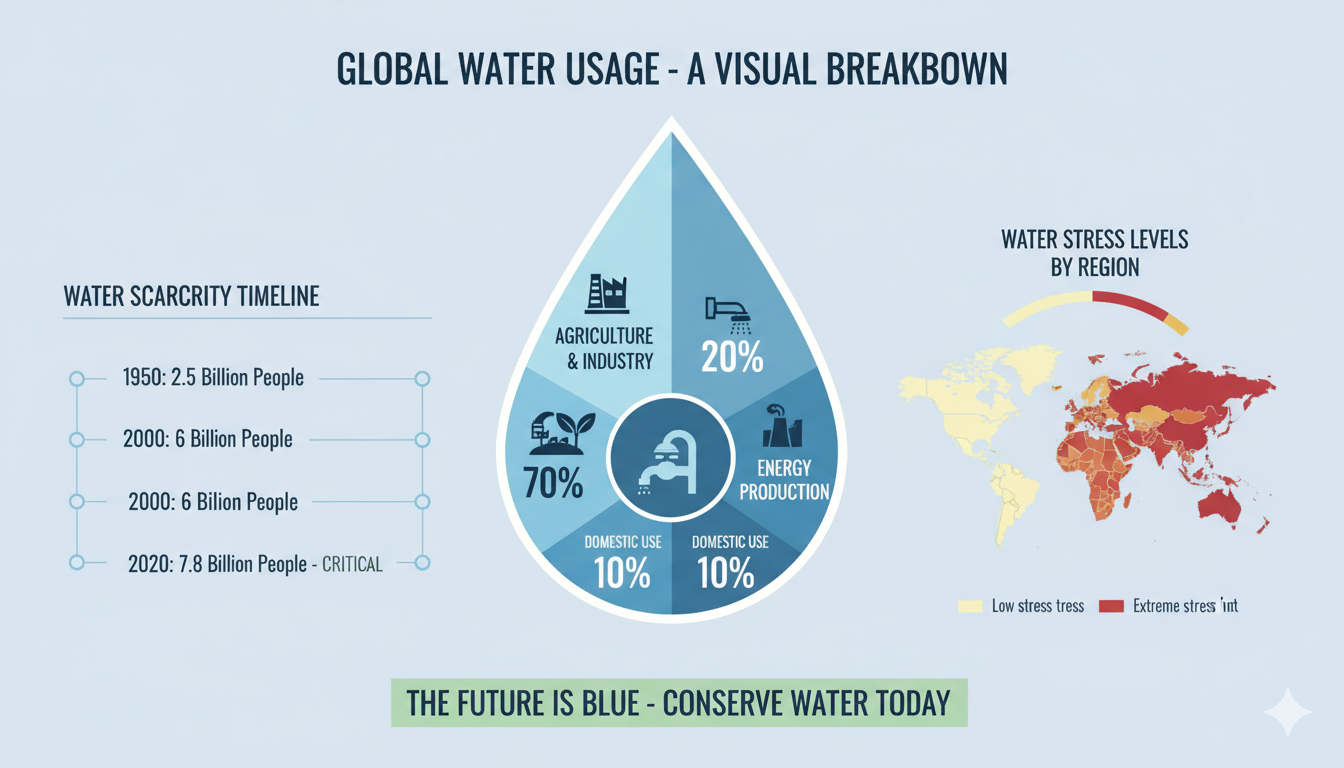
Have you ever looked at a long page of numbers and felt your head spin? Infographic We have all been there. Sometimes, words and data can be hard to understand on their own. This is where a visual helper comes in to save the day. If you are wondering what is an infographic, you are in the right place. Simply put, it is a way to turn boring facts into a fun picture. It helps your brain see the story behind the data without reading a giant book.
In this guide, we will explore why these visuals are so popular. We will look at how they work in schools and offices. You will learn that anyone can make one, even if you are not an artist. By the end, you will be an expert on how to use pictures to talk to people. Let’s dive into the colorful world of visual data and make learning easy for everyone!
What is an Infographic Definition?
To start our journey, we need a clear what is an infographic definition. Think of it as a mix of “information” and “graphics.” It is a visual tool used to show data or knowledge quickly. Instead of just writing a list of facts, you use icons, charts, and colors. This makes the information pop off the page. The goal is to make a complex topic very simple to look at and understand in just a few seconds.
When we talk about what is an infographic, we mean a bridge between art and science. Scientists use them to show how the world works. Teachers use them to help kids learn history. Even your favorite cereal box might have one to show you the vitamins inside! It is all about making sure the person looking at it learns something new without feeling bored or confused.
The History of Visual Learning
People have been using pictures to tell stories for a very long time. Long before we had computers, humans drew on cave walls. They used simple shapes to show where to find food or how to stay safe. Later, map makers used drawings to show where oceans and mountains were located. This was the early version of what is an infographic. It proved that our eyes love to follow patterns and shapes more than just plain text.
In the modern world, we see these visuals everywhere. Think about the signs at an airport or the weather map on the news. These are all part of the big family of infographics. They help us navigate our busy lives. As we got better at printing and design, these tools became even more beautiful. Today, we use them to explain everything from how a phone works to how to bake a giant chocolate cake.
Seeing a What is an Infographic Example
It is much easier to understand this topic if you see a what is an infographic example. Imagine a picture of a large tree. On the roots, there are words about “Healthy Soil.” On the branches, there are facts about “Fresh Fruit.” This image explains how a tree grows much faster than a long essay would. It uses the shape of the tree to guide your eyes from the bottom to the top.
Another great what is an infographic example is a “How-To” guide. You might see one for washing your hands. It shows a picture of soap, then water, then a towel. Each step has a small number next to it. Because it uses images, even a small child who cannot read well can follow the steps. This is the true power of what is an infographic; it speaks a language that everyone can understand.
Why Our Brains Love Pictures
Did you know that our brains process images much faster than words? It is true! When you read a sentence, your brain has to decode every letter. But when you see a bright red circle, you instantly know what it is. This is why what is an infographic is such a powerful tool for teaching. It takes a heavy load off your brain and makes learning feel like playing a game or looking at a comic book.
When you use colors like blue for water or green for nature, your brain makes connections quickly. Designers use these “brain hacks” to help you remember facts. If you see a chart showing that a company is growing, you don’t need to read the numbers to see the line going up. You just feel the success. Understanding what is an infographic helps you realize that we are all visual learners at heart.
Summary Table of Infographic Types
| Type | Best Use Case | Key Features |
| Statistical | Showing survey results or data | Charts, graphs, large numbers |
| Informational | Explaining a new concept | Descriptive headers, short text |
| Timeline | Showing history or a schedule | Dates, icons, connecting lines |
| Process | Explaining how to do something | Numbered steps, directional arrows |
| Comparison | Comparing two or more items | Split layouts, pros and cons lists |
Exploring the What is an Infographic Poster
Sometimes, these visuals are printed out and put on a wall. This is what is an infographic poster is all about. You might see these in a doctor’s office or a science classroom. They are usually large and very bright. Because they stay in one place, you can walk by them every day and pick up new facts. They are great for reminders, like how to recycle your trash or how to stay safe at work.
A what is an infographic poster needs to be very clear from a distance. It usually has one big title and several small sections. Each section uses a different color to keep the ideas separate. This keeps the viewer from getting overwhelmed. When you think about what is an infographic, remember that it can be a physical object that helps decorate a room while also teaching people something very important.
Making a What is an Infographic Presentation
In the business world, people use slides to share ideas. A what is an infographic presentation is a set of slides that use mostly pictures instead of long bullet points. No one likes sitting through a meeting where a speaker just reads words off a screen. Using visuals keeps the audience awake and excited. It helps the speaker explain hard ideas, like how much money a company made or where the new office will be.
When you build a what is an infographic presentation, you focus on the “big picture.” You might use a map to show where your customers live. Or, you might use a timeline to show how a project will finish. This makes you look like an expert. People will trust your data more because it is easy to follow. Understanding what is an infographic helps you become a better communicator in your job or at school.
The Core Parts of a Great Design
Every good visual needs three main things: a story, data, and design. First, you need a story to tell. What do you want people to learn? Second, you need data or facts. This is the “info” part of what is an infographic. You must make sure your facts are true and come from a good source. If your facts are wrong, your picture won’t help anyone. Trust is the most important part of sharing information.
Lastly, you need a good design. This means choosing colors that look nice together. It also means using fonts that are easy to read. You don’t want the page to look too crowded. A great what is an infographic leaves some “white space” so the eyes can rest. When these three things work together, you create something that people will want to share with their friends and family on the internet.
Different Types of Visual Styles
Not all infographics look the same. Some are lists, while others are maps. There is the “Statistical” type, which uses lots of charts and numbers. Then there is the “Process” type, which shows a step-by-step path. You might also see a “Comparison” type. This is perfect for showing the difference between two things, like a cat and a dog. Knowing what is an infographic means knowing which style fits your message best.
There are also “Geographic” styles that use maps to show data about different countries. If you want to show how a person grows over time, you would use a “Timeline” style. Each style has a special job. By picking the right one, you make sure your message is loud and clear. This variety is what makes what is an infographic such a fun and flexible tool for creators all around the world.
How to Create Your Own Visual
You might think you need to be a professional artist to make one. That is not true! Today, there are many easy tools online that help you. You can find templates where you just “drag and drop” your facts. The most important step is to plan first. Write down your main idea on a piece of paper. Pick out the most important facts. Then, decide what is an infographic style you want to use for your project.
Start with a catchy title at the top. Use icons instead of long sentences. For example, use a picture of a lightbulb to represent a “New Idea.” Keep your colors simple—try not to use more than three or four. Once you finish, show it to a friend. If they can understand it in less than a minute, you did a great job! Learning what is an infographic and how to make one is a skill that will help you forever.
Common Mistakes to Avoid
Even though these are fun to make, there are some traps to watch out for. One big mistake is putting too much text. If there are too many words, it is just an article with a few pictures. That is not what is an infographic is supposed to be. Another mistake is using confusing charts. If a pie chart has 50 slices, no one will be able to read it. You should keep things simple and focused on one main goal.
Another thing to avoid is using colors that clash. If you use neon yellow text on a white background, it will hurt people’s eyes! Always think about the person reading it. Make sure the path of the information is clear. If they have to jump all over the page to find the next step, they will get frustrated. A good what is an infographic flows like a gentle river from the top to the bottom of the page.
Frequently Asked Questions
1. What is an infographic used for?
It is used to make information easy to understand. People use them to share data, explain processes, or compare two things using pictures and short text.
2. Do I need to be an artist to make one?
No! Many websites offer templates where you can just type in your info and move pictures around. It is very easy for beginners.
3. What makes an infographic “good”?
A good one is simple, has a clear story, and uses bright colors and icons to help the reader understand the facts quickly.
4. Can I use them for school projects?
Yes! They are perfect for school. They show your teacher that you understand the topic well enough to explain it simply with visuals.
5. How long should an infographic be?
There is no set rule, but most are tall and thin so you can scroll down. The key is to keep it long enough to tell the story but short enough to stay interesting.
6. Where can I find a what is an infographic example?
You can find them on social media sites like Pinterest, in textbooks, on news websites, or even on posters in public places like parks and museums.
Final Thoughts on Visual Communication
In our busy world, we are always rushing. We don’t always have time to read long reports. That is why understanding what is an infographic is so important today. These visual tools help us learn faster and remember more. Whether you are looking at a what is an infographic poster or watching a what is an infographic presentation, you are seeing the future of how we share ideas. It is a mix of art and logic that brings people together.
I hope this guide helped you see how fun and useful these graphics can be. Next time you have a big idea, try drawing it out instead of just writing it. You might be surprised at how much people love it! Remember, a picture is worth a thousand words, especially when it is a well-made infographic. Keep exploring, stay curious, and start creating your own visual stories today!